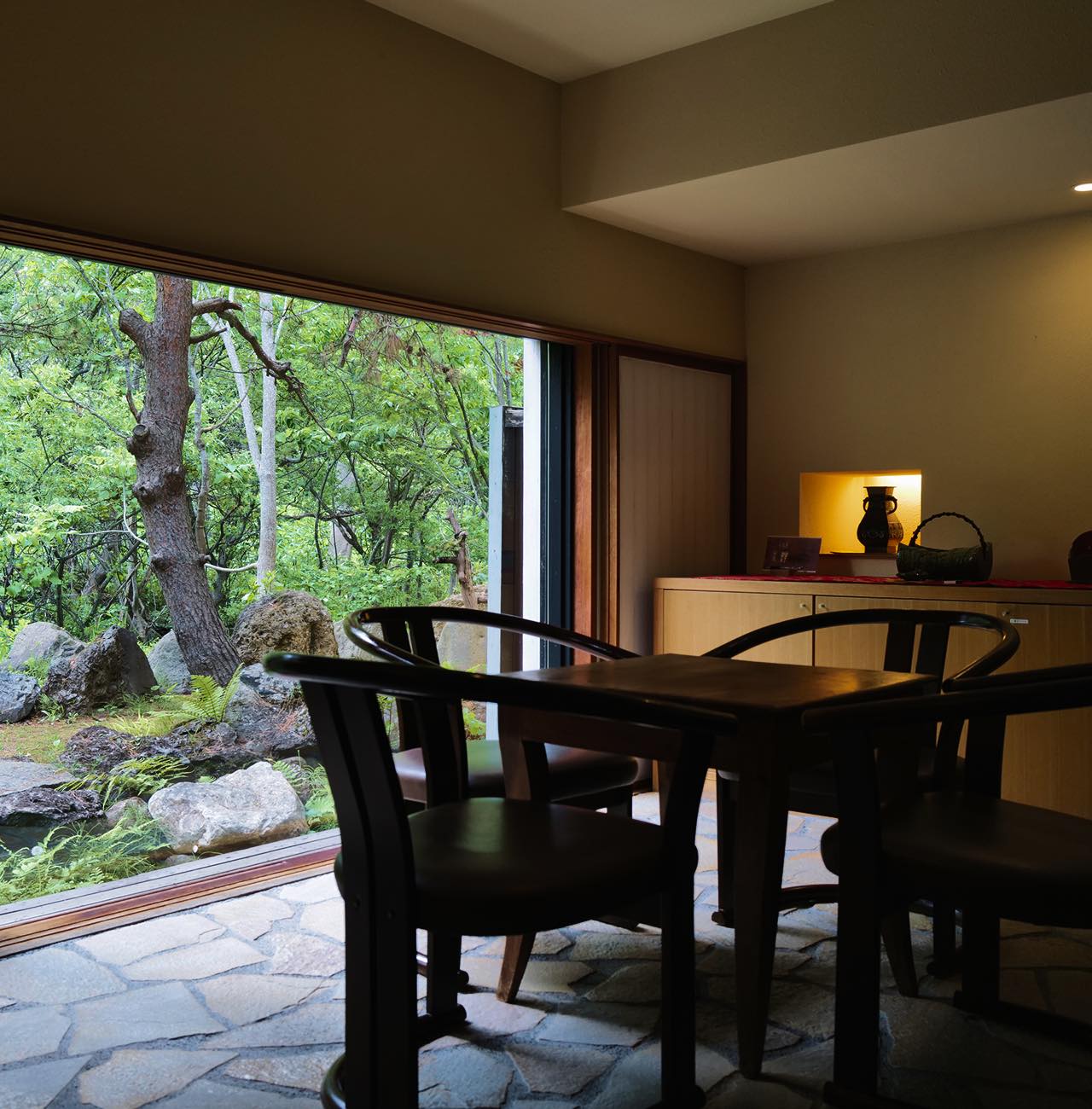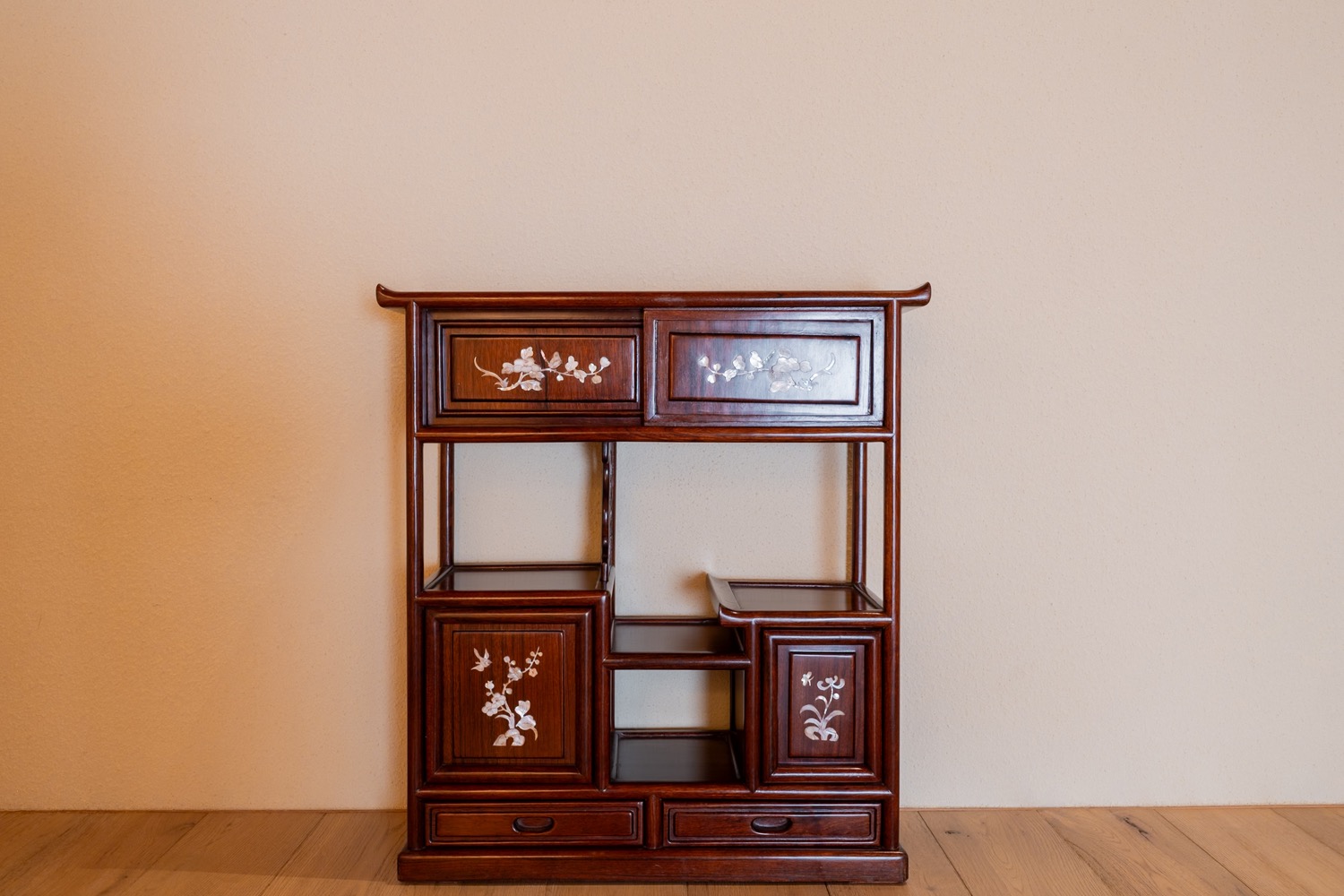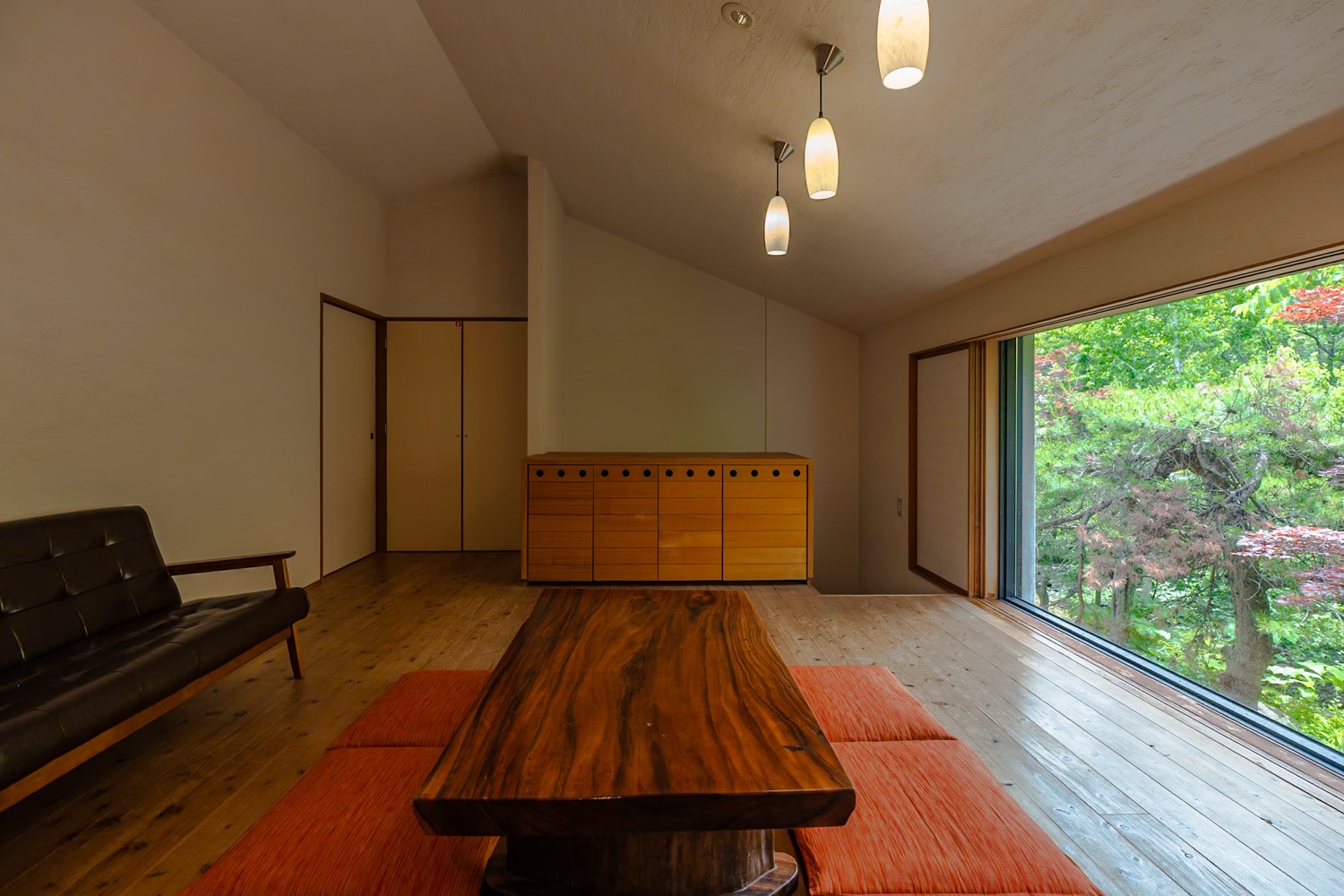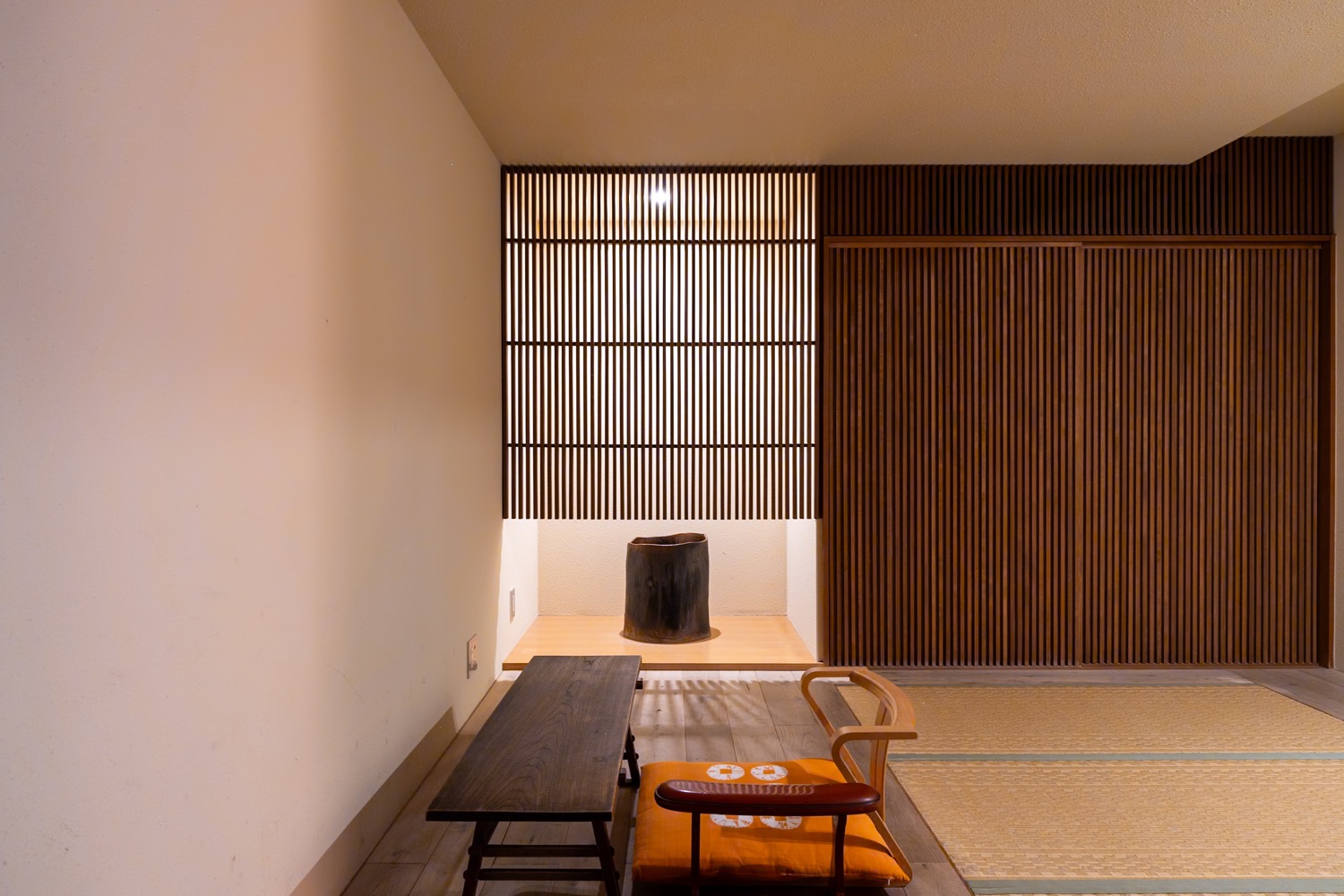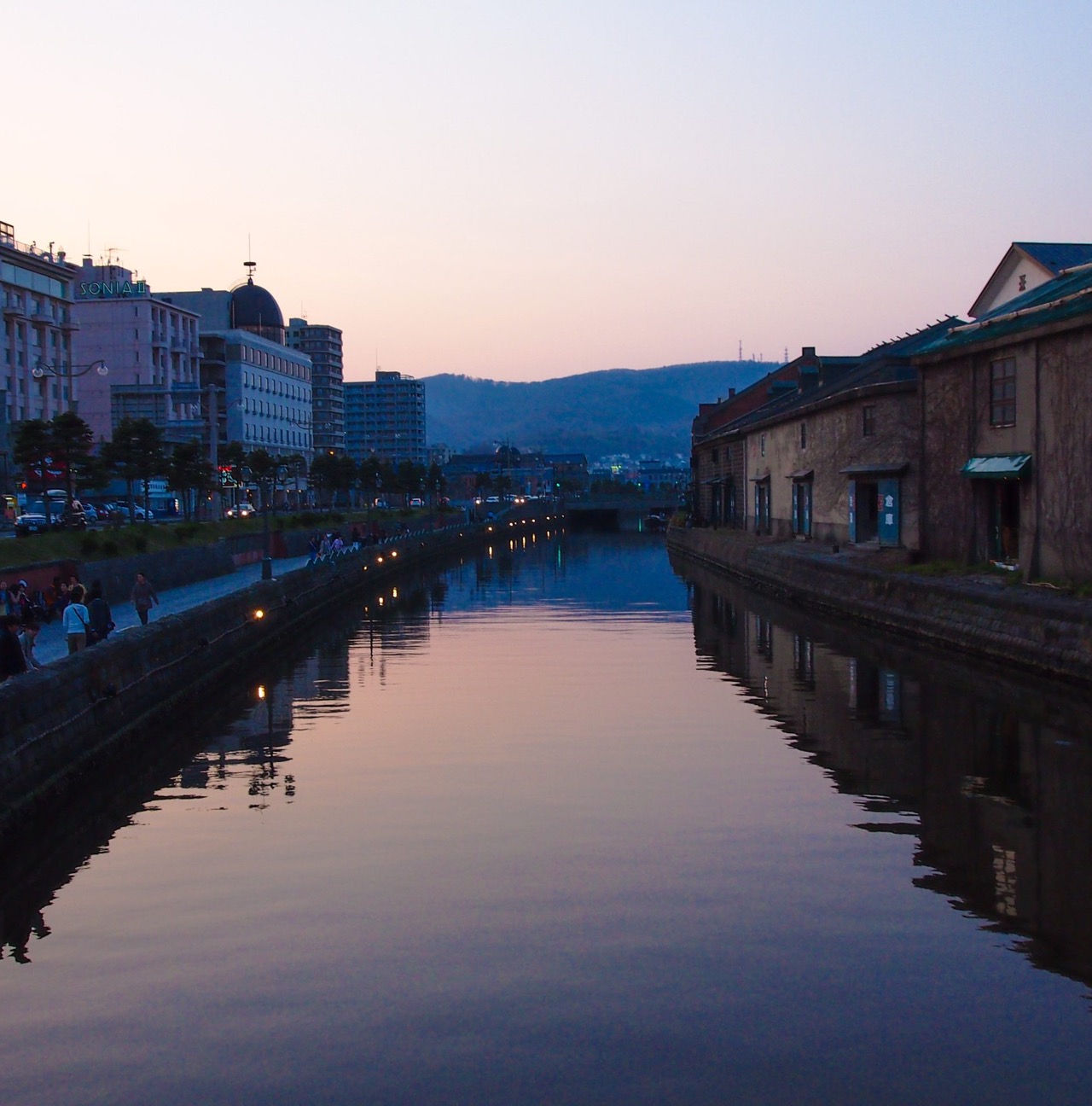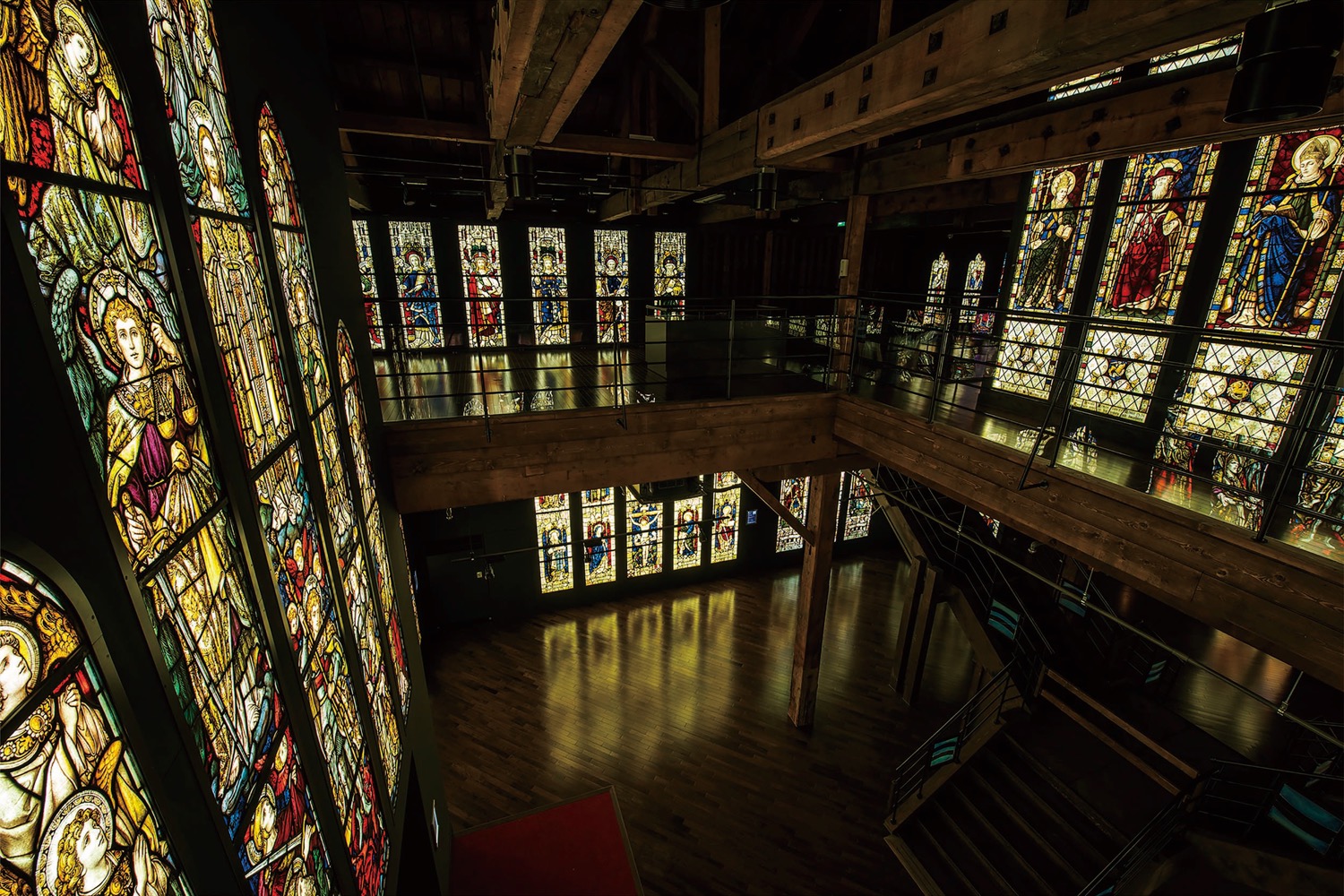


concept
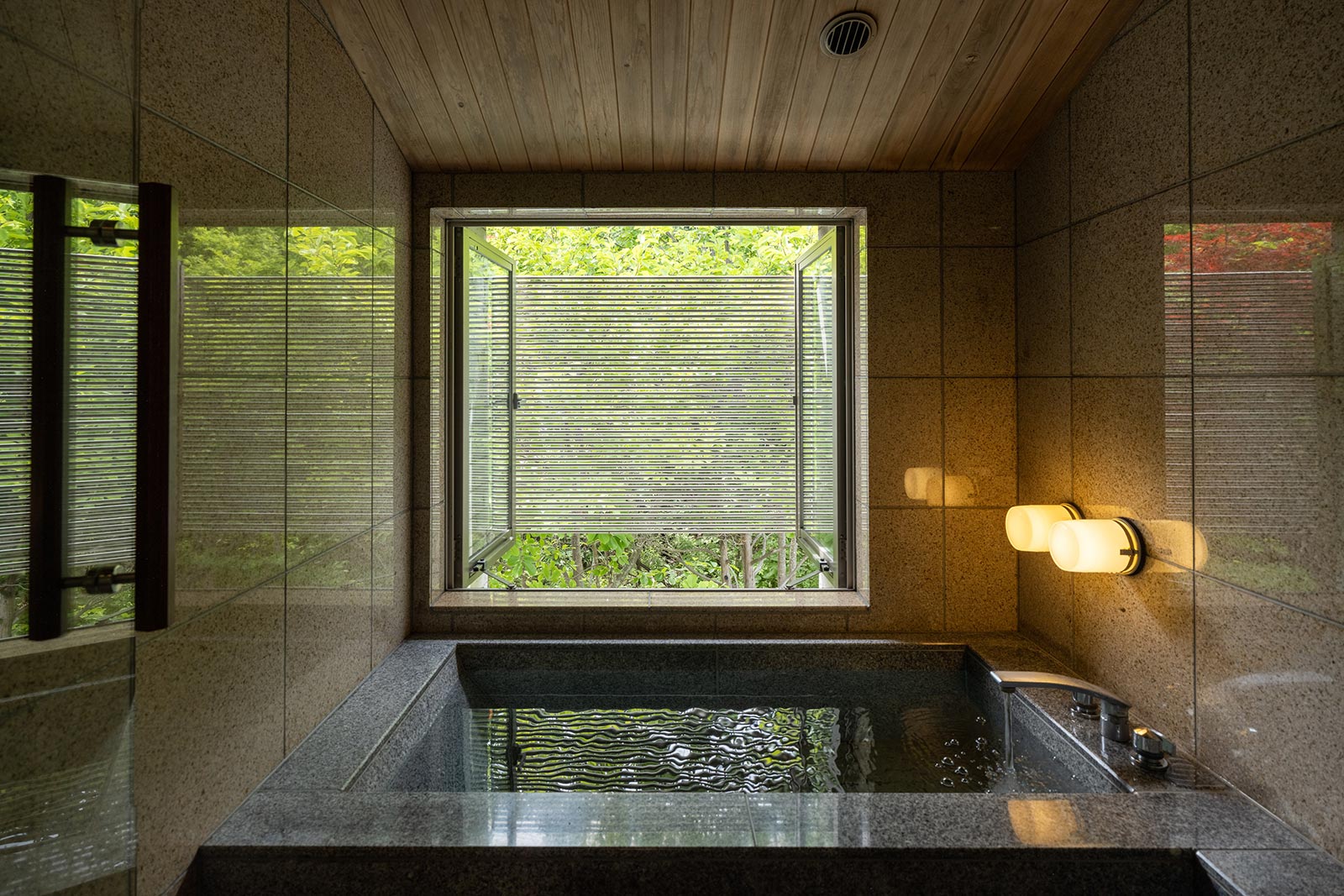
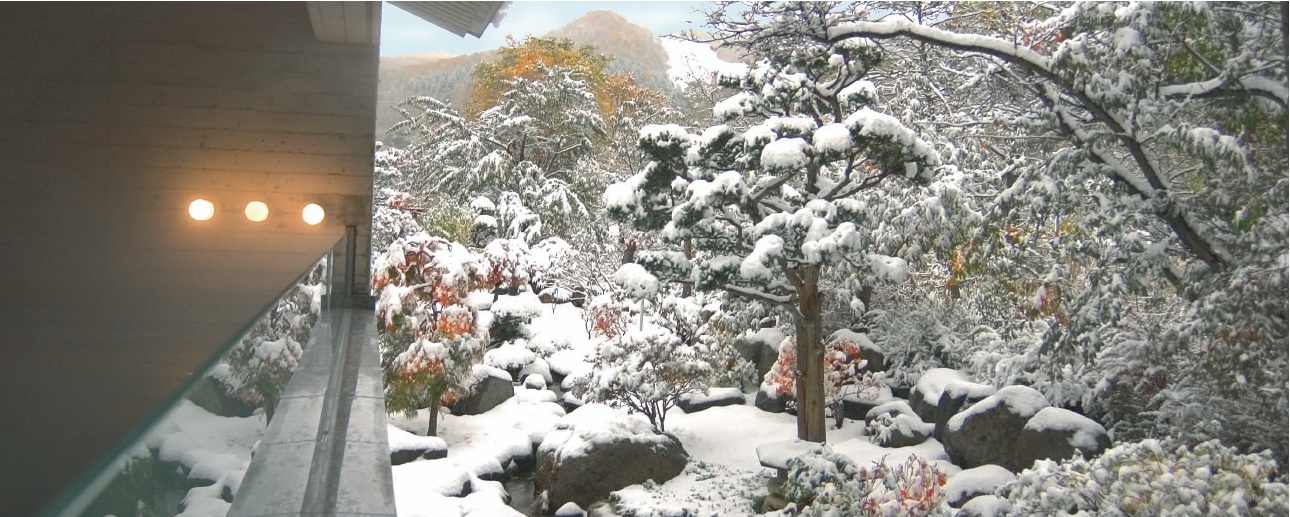
All 19 guest rooms feature private hot spring baths.
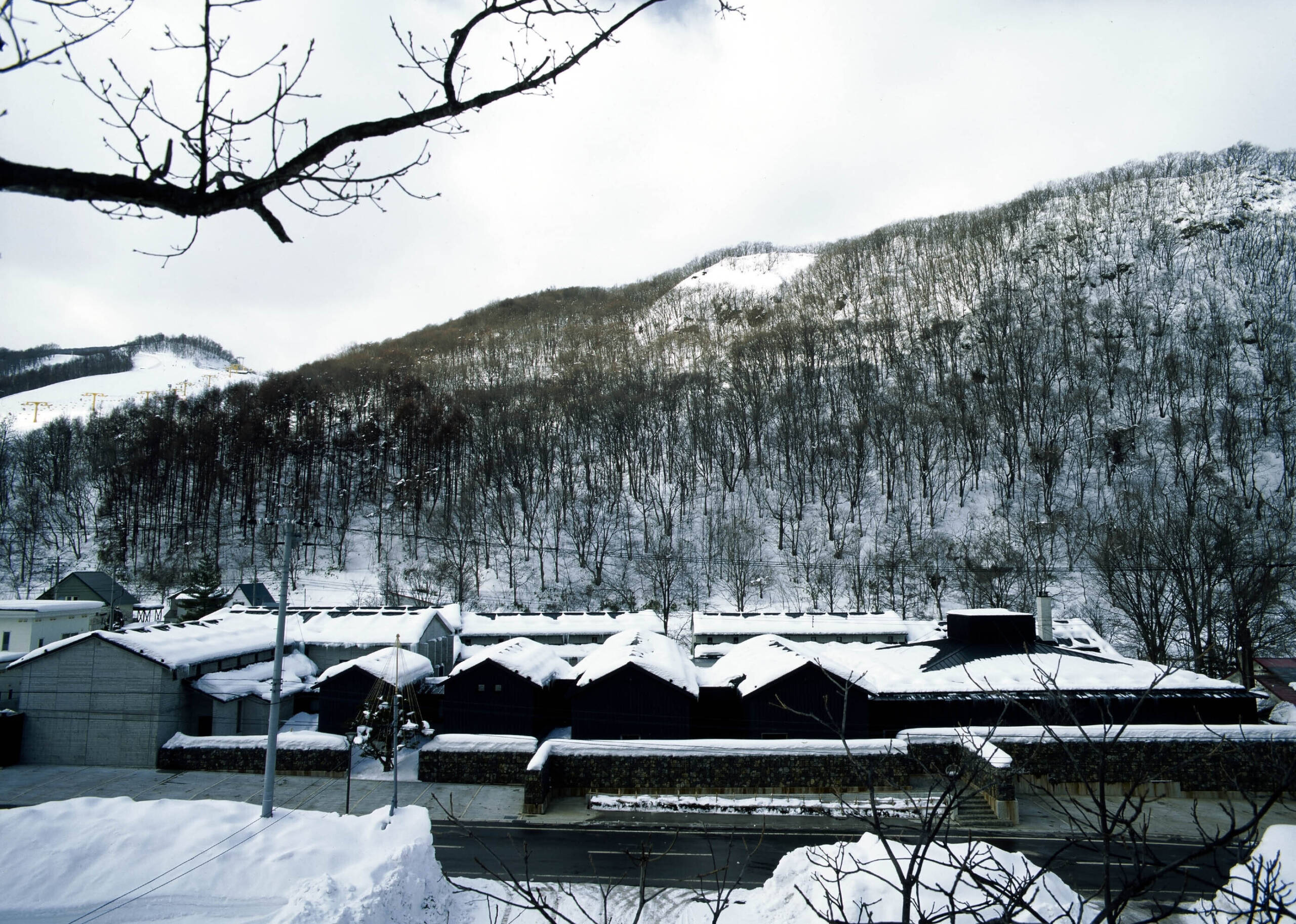
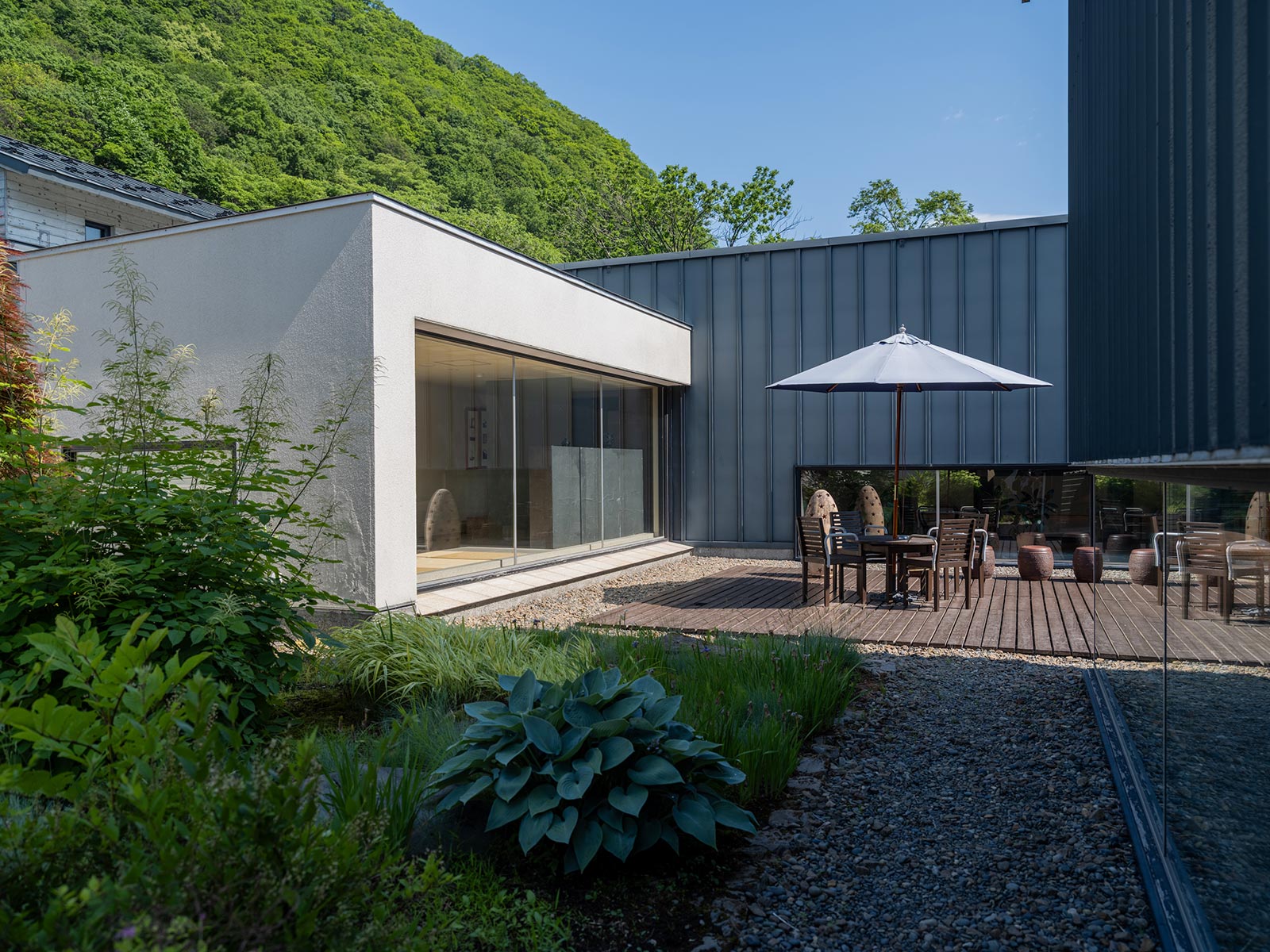
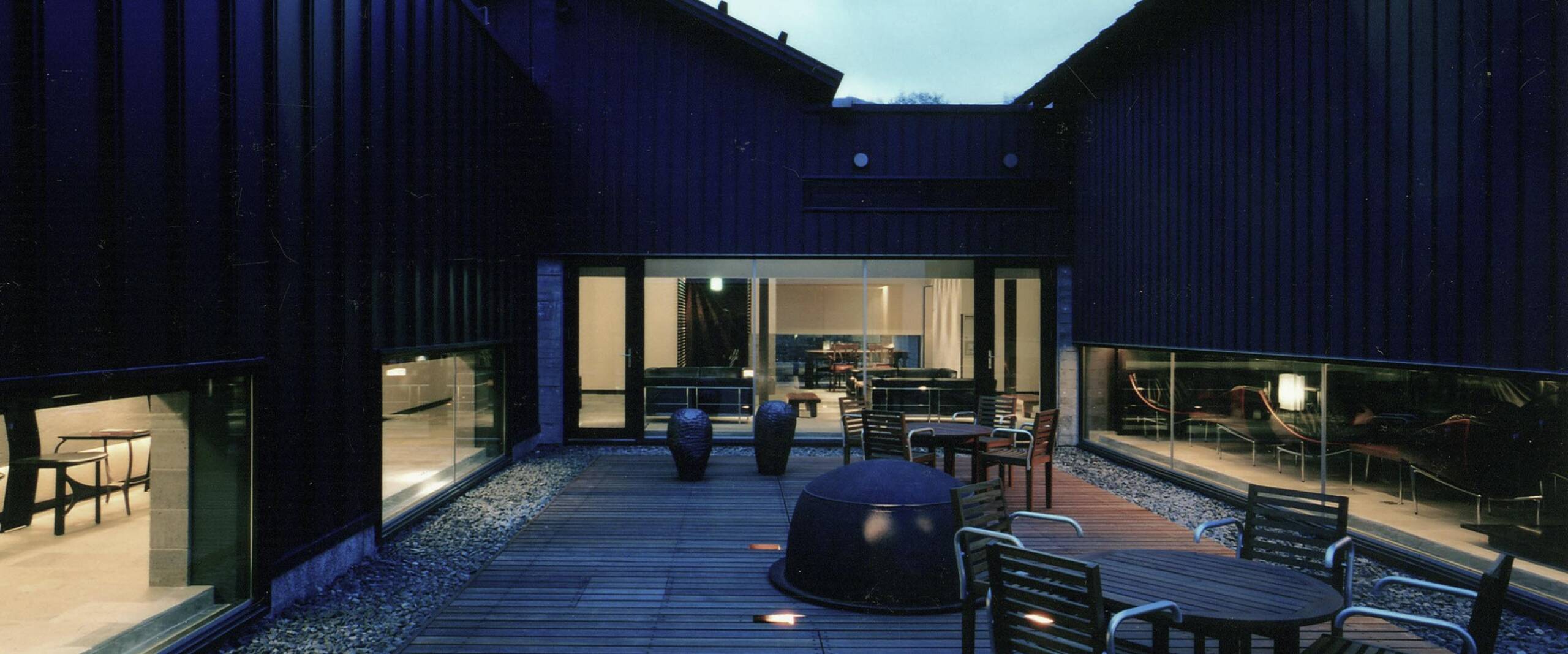
Architecture and design by Makoto Nakayama.
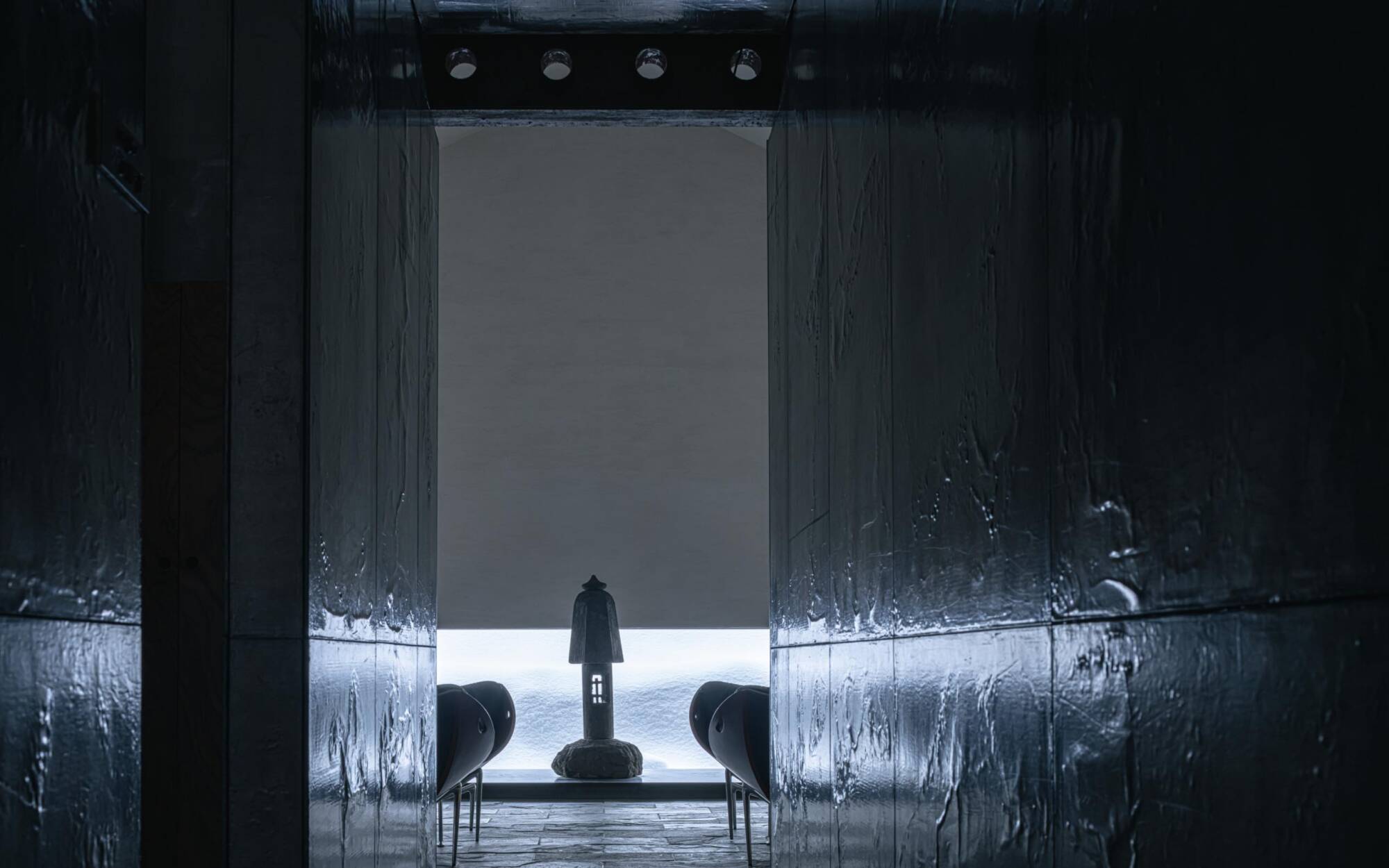
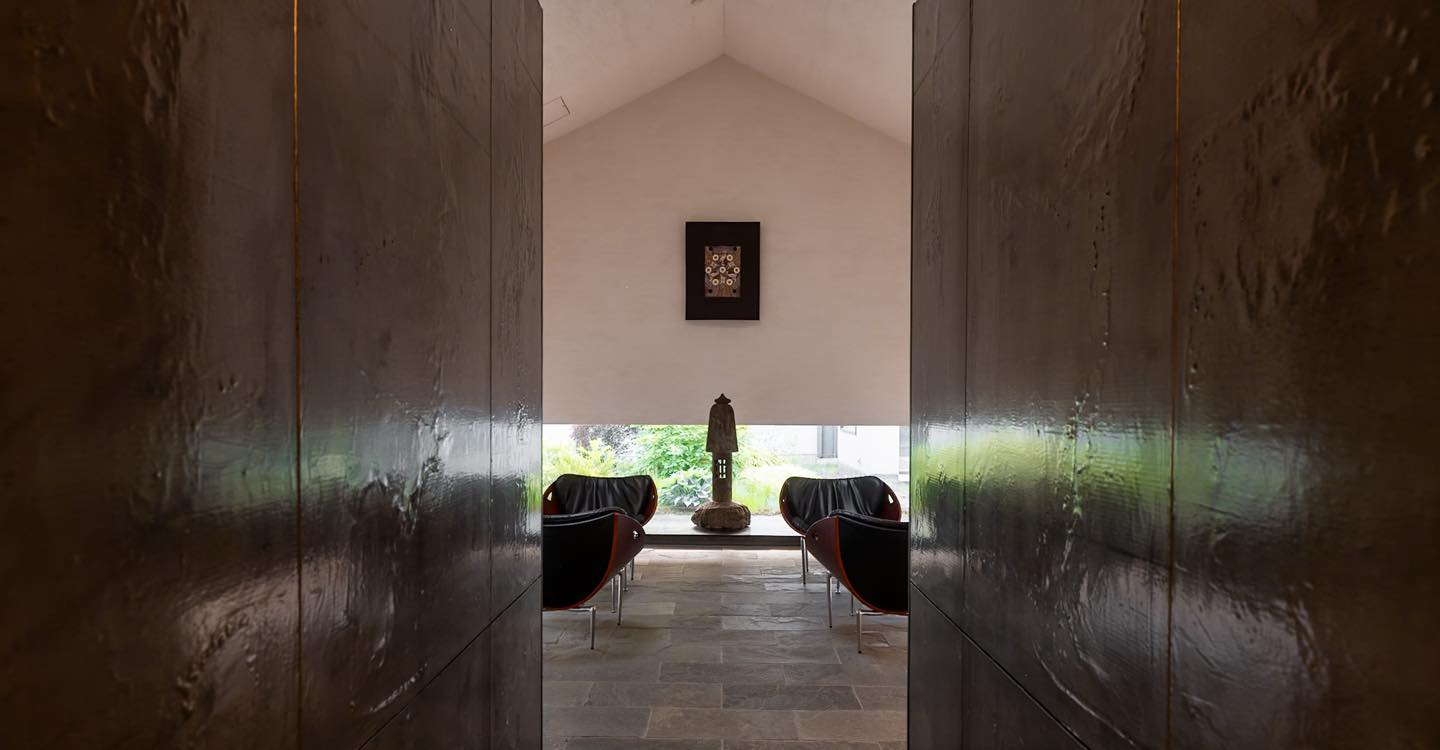
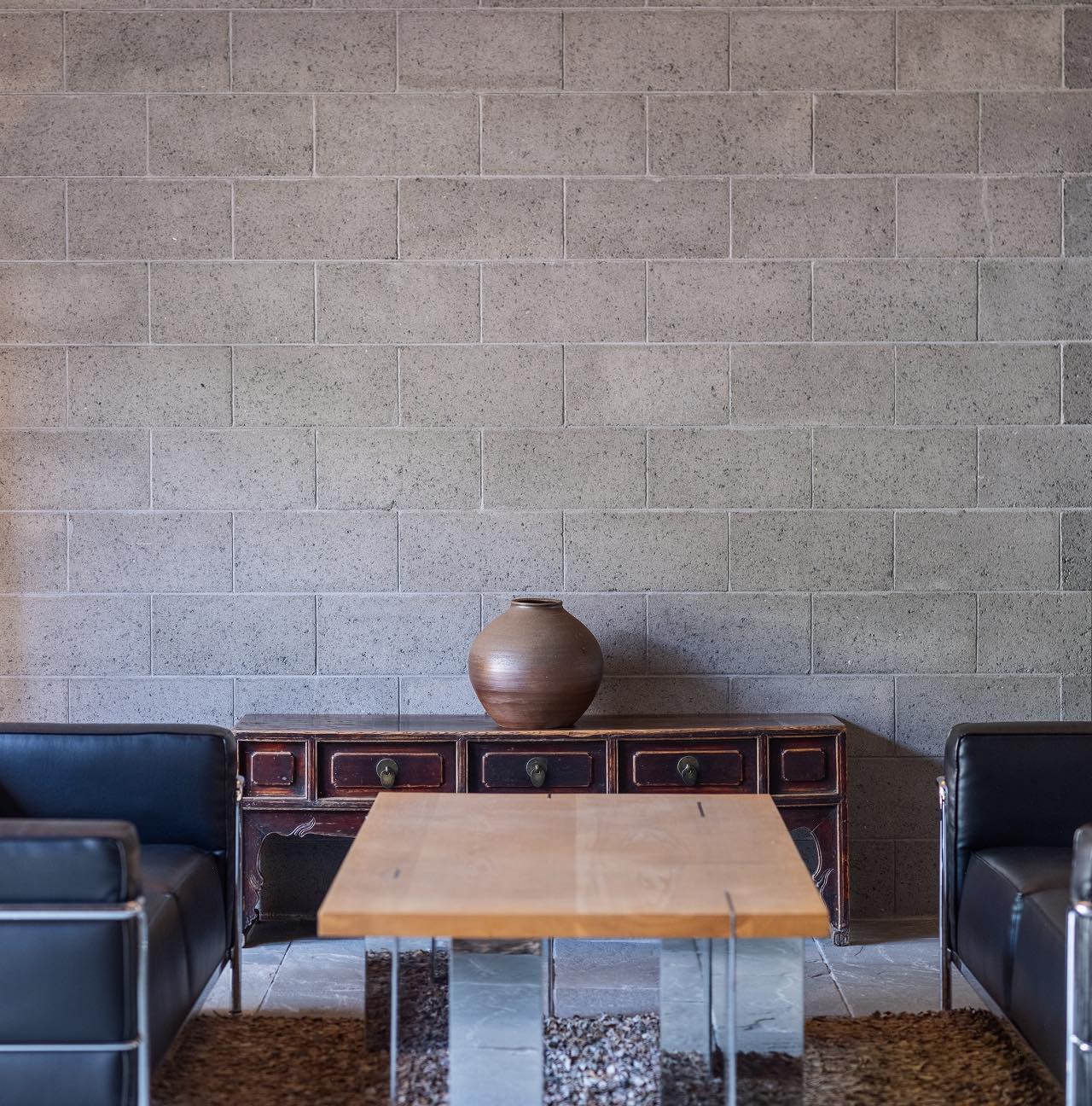
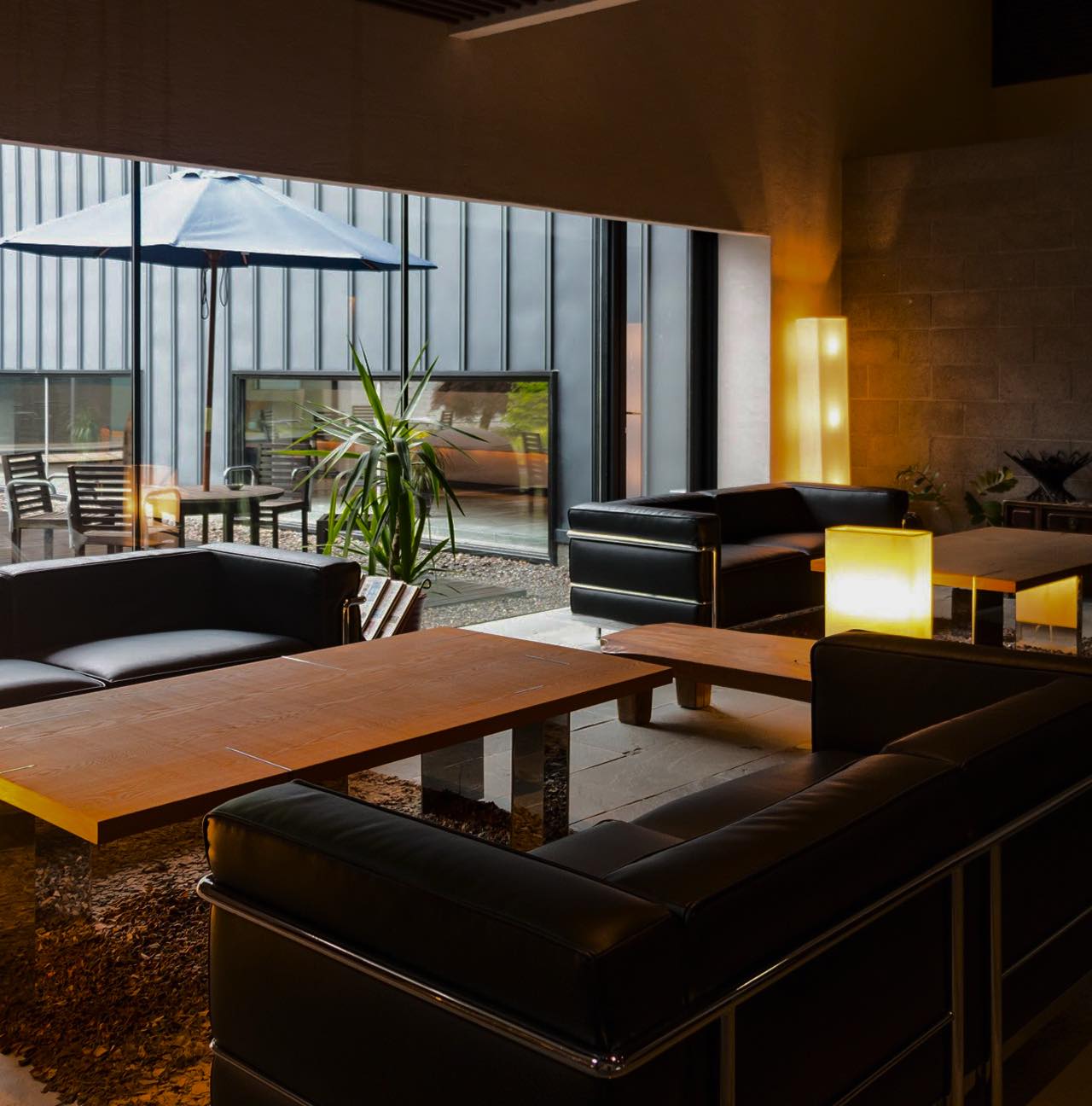
Memories of time dwelling in a tranquil storehouse
Ripples of sound and whispers of words
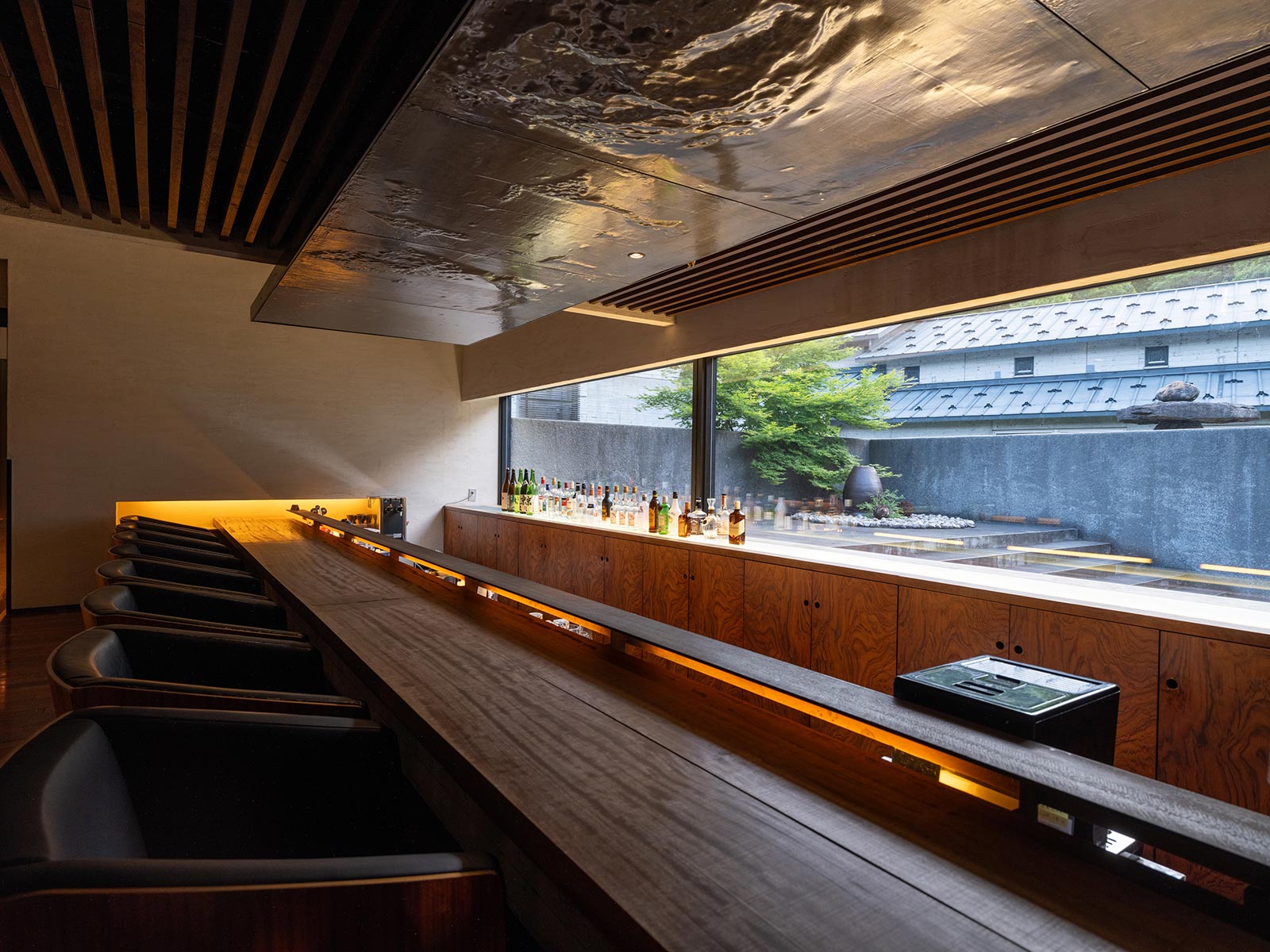
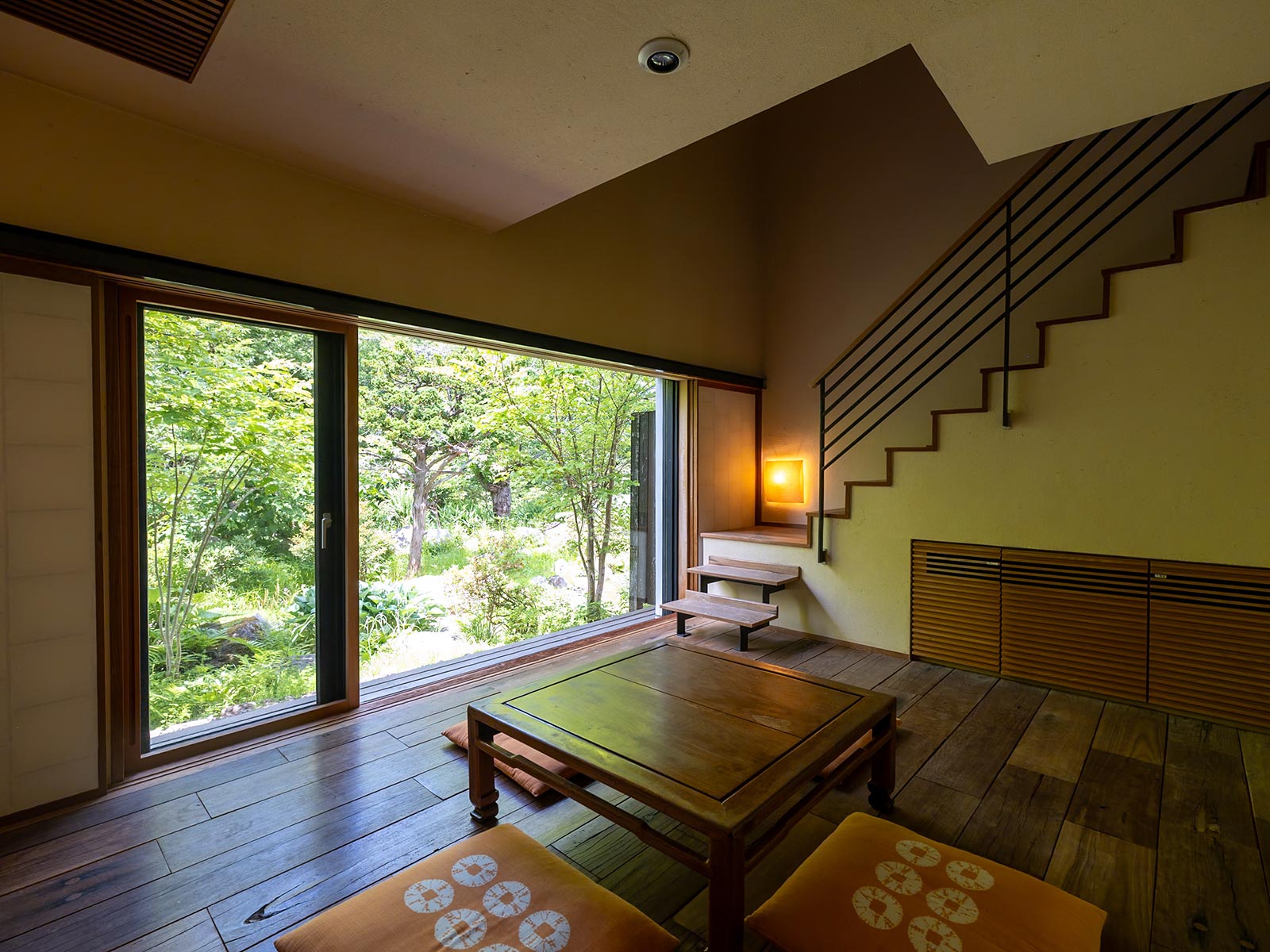
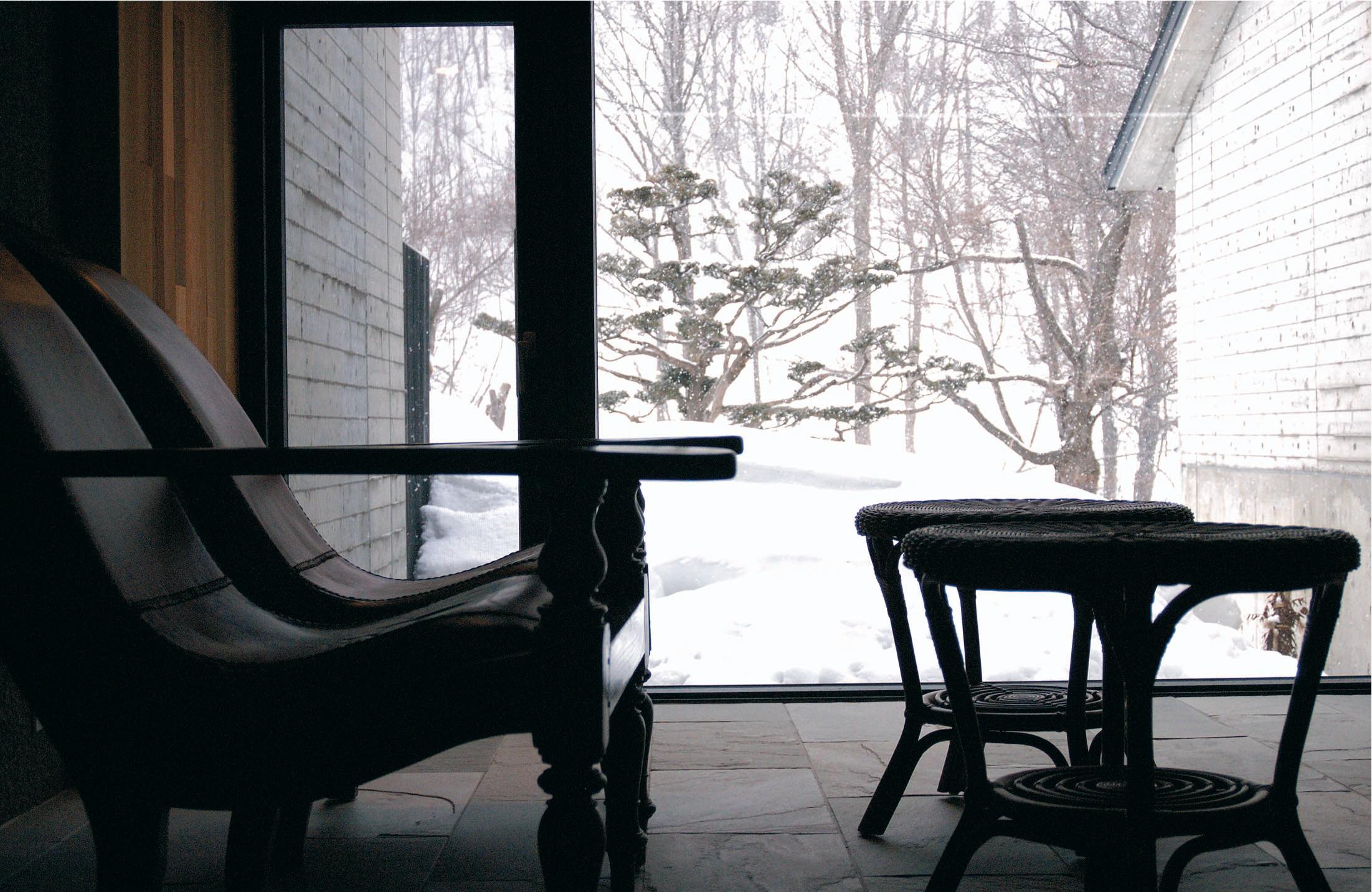
A quiet realm of wabi-sabi, surrendering to the flow
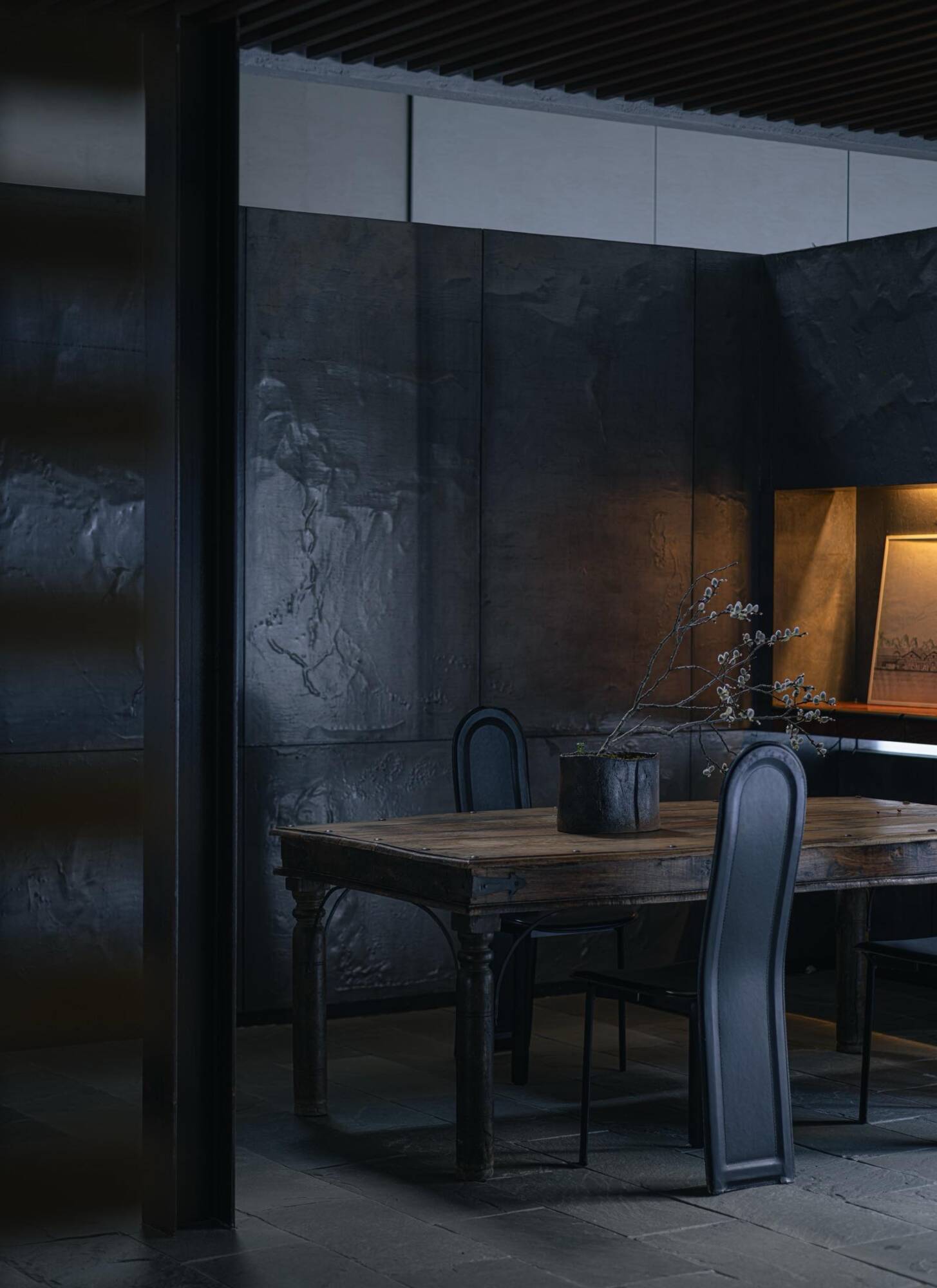
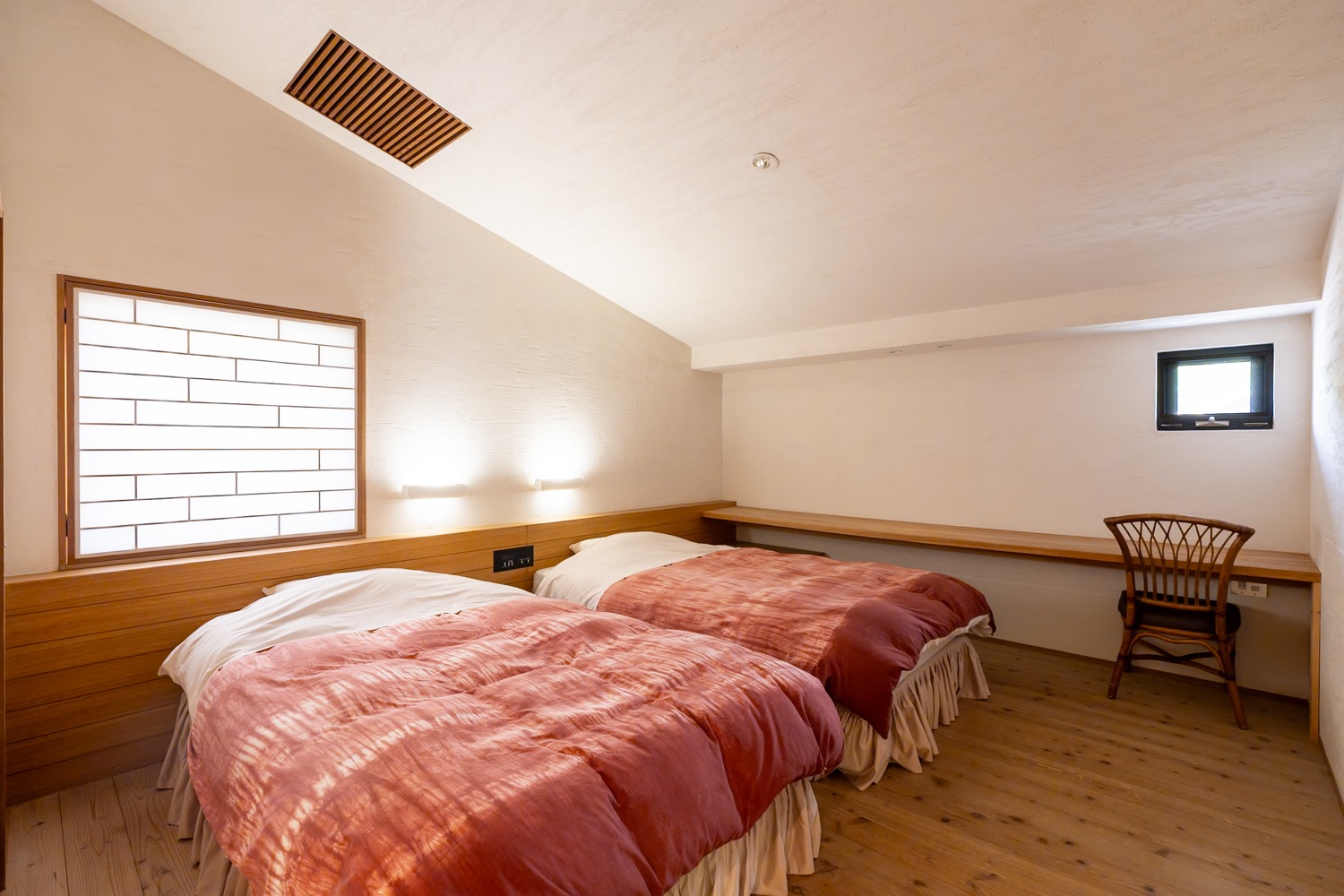
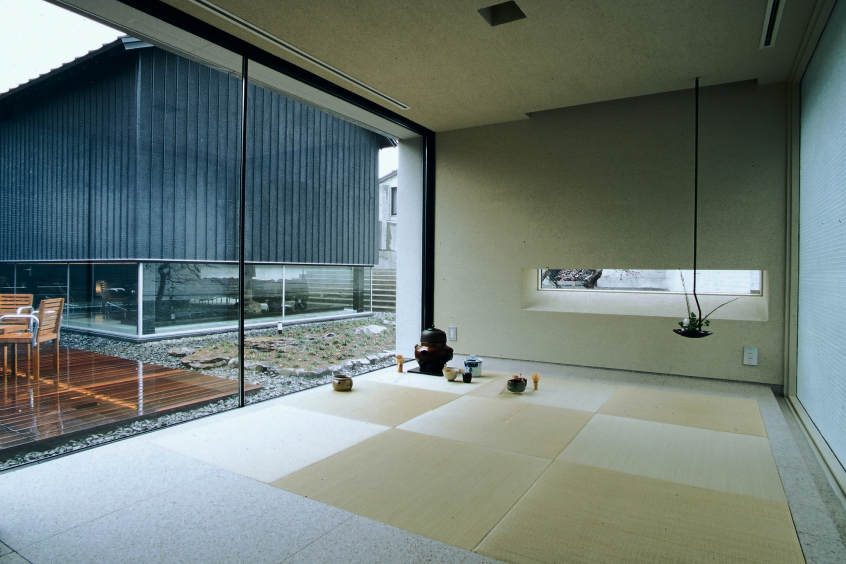
In the inner chamber where the heart finds peace
History
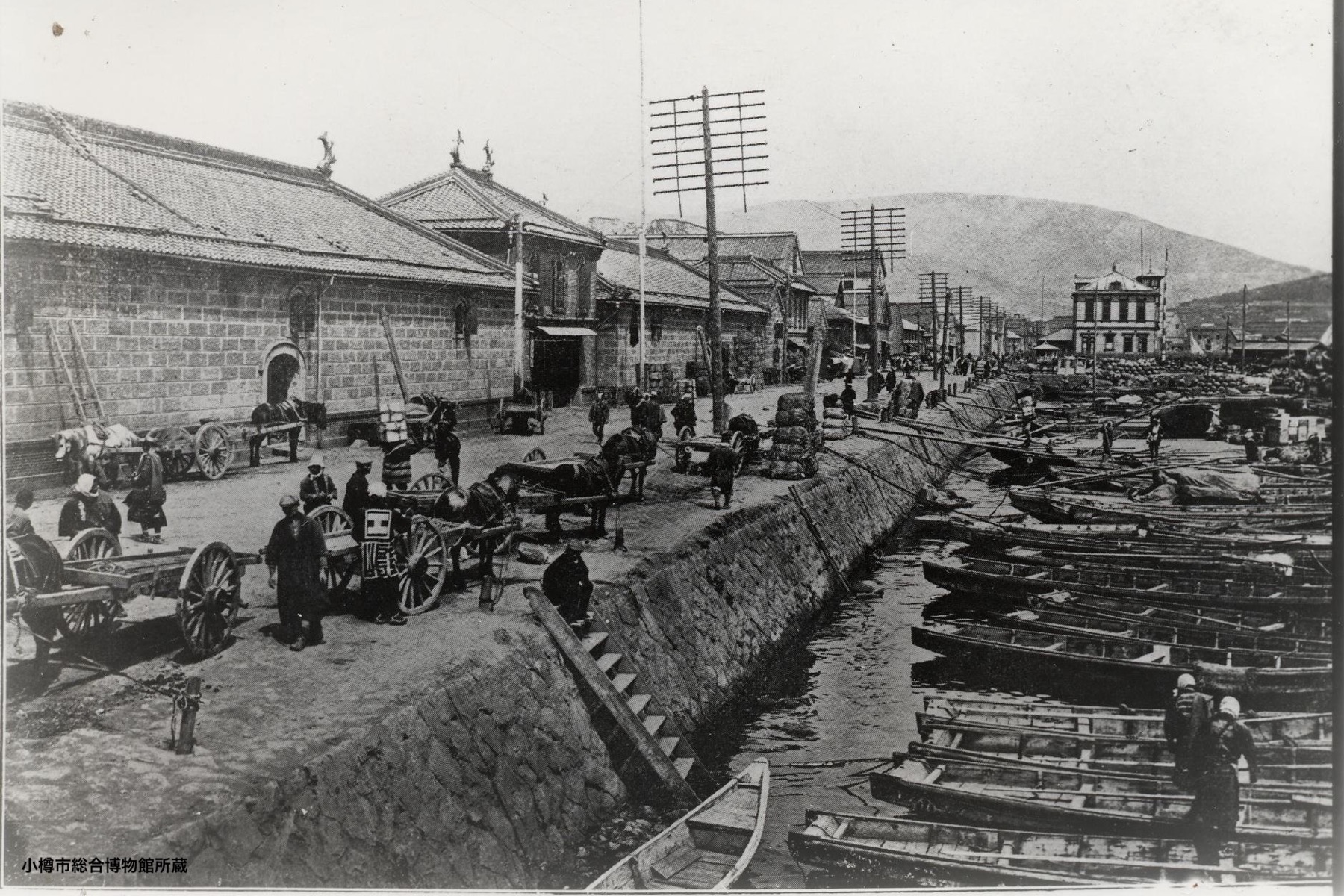
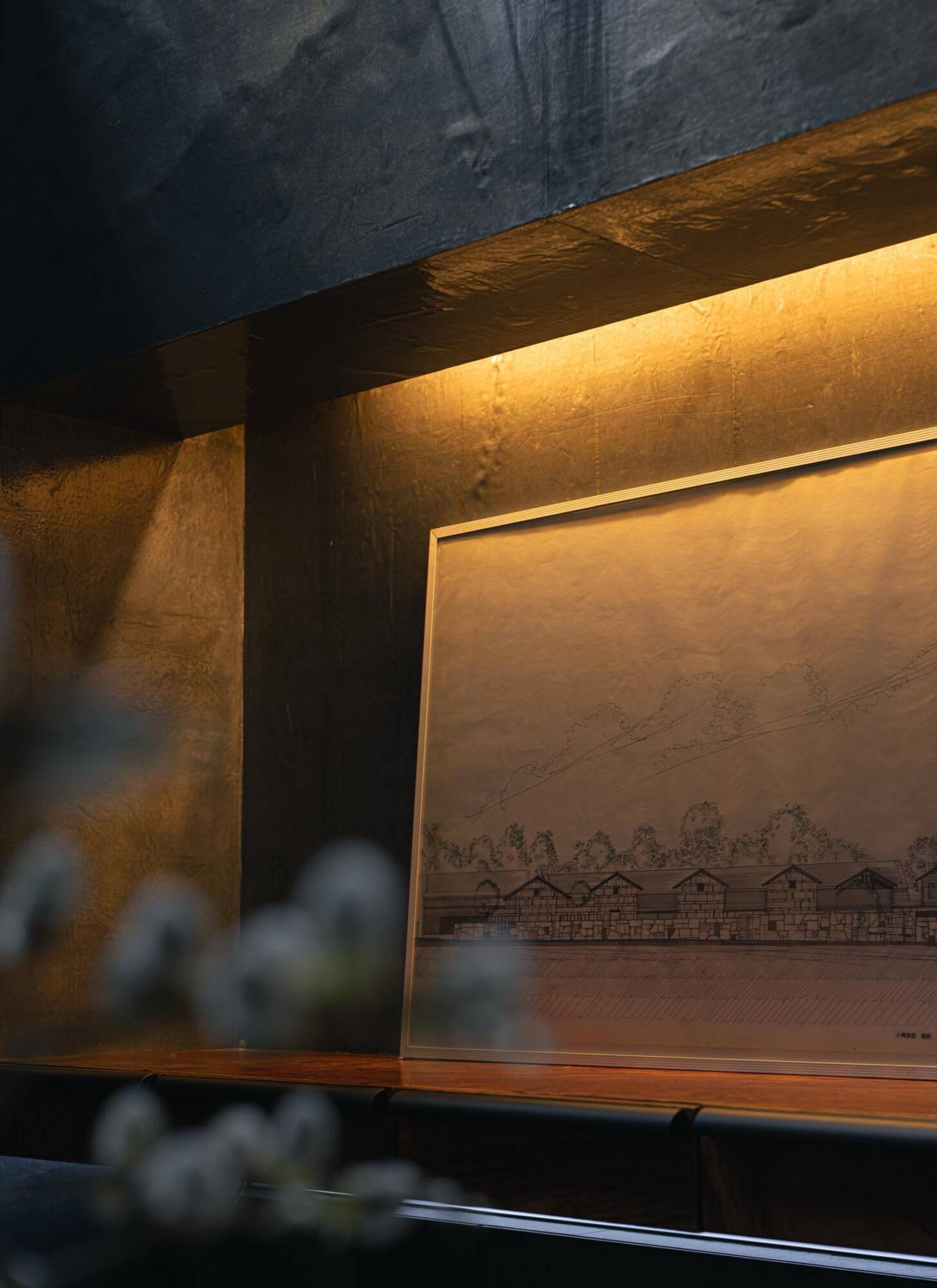
The History of Kitamaebune Ships and Stone Warehouses
From the late Edo period through the Meiji, Taisho, and early Showa eras,
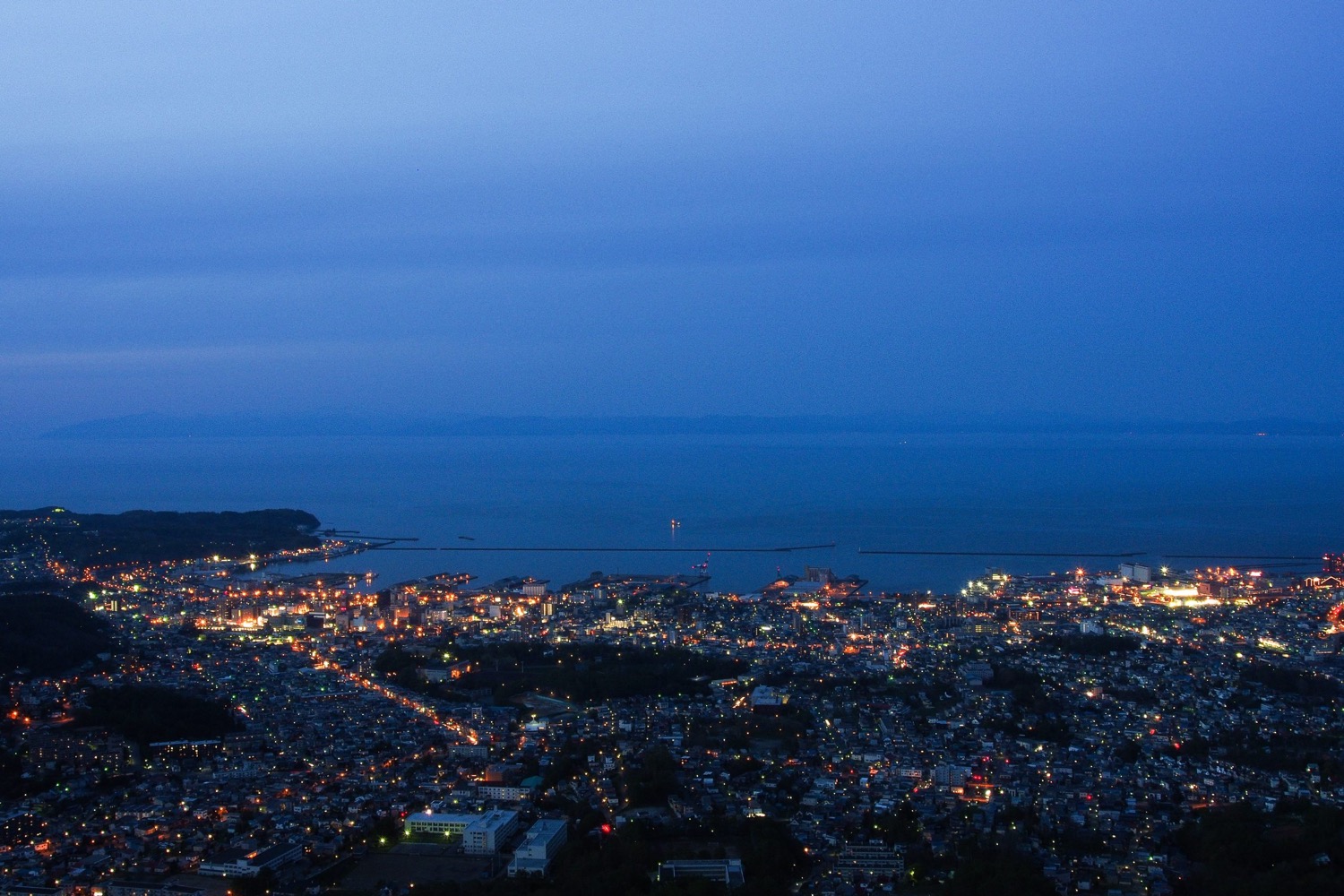
Otaru flourished as Hokkaido’s foremost commercial port.
From Edo through Meiji, the Kitamaebune ships plied the Sea of Japan,
carrying goods from Hokkaido to Osaka.

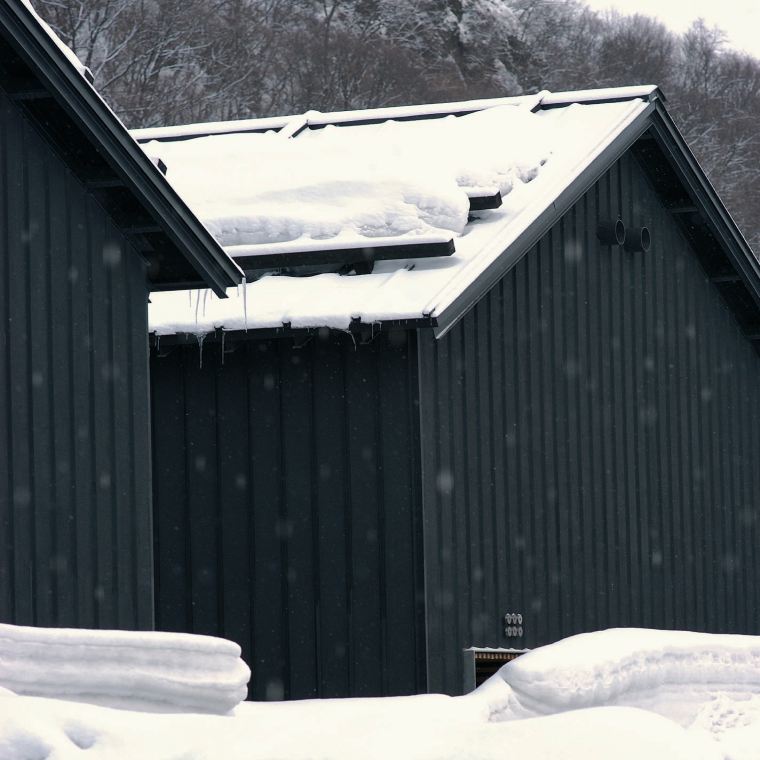
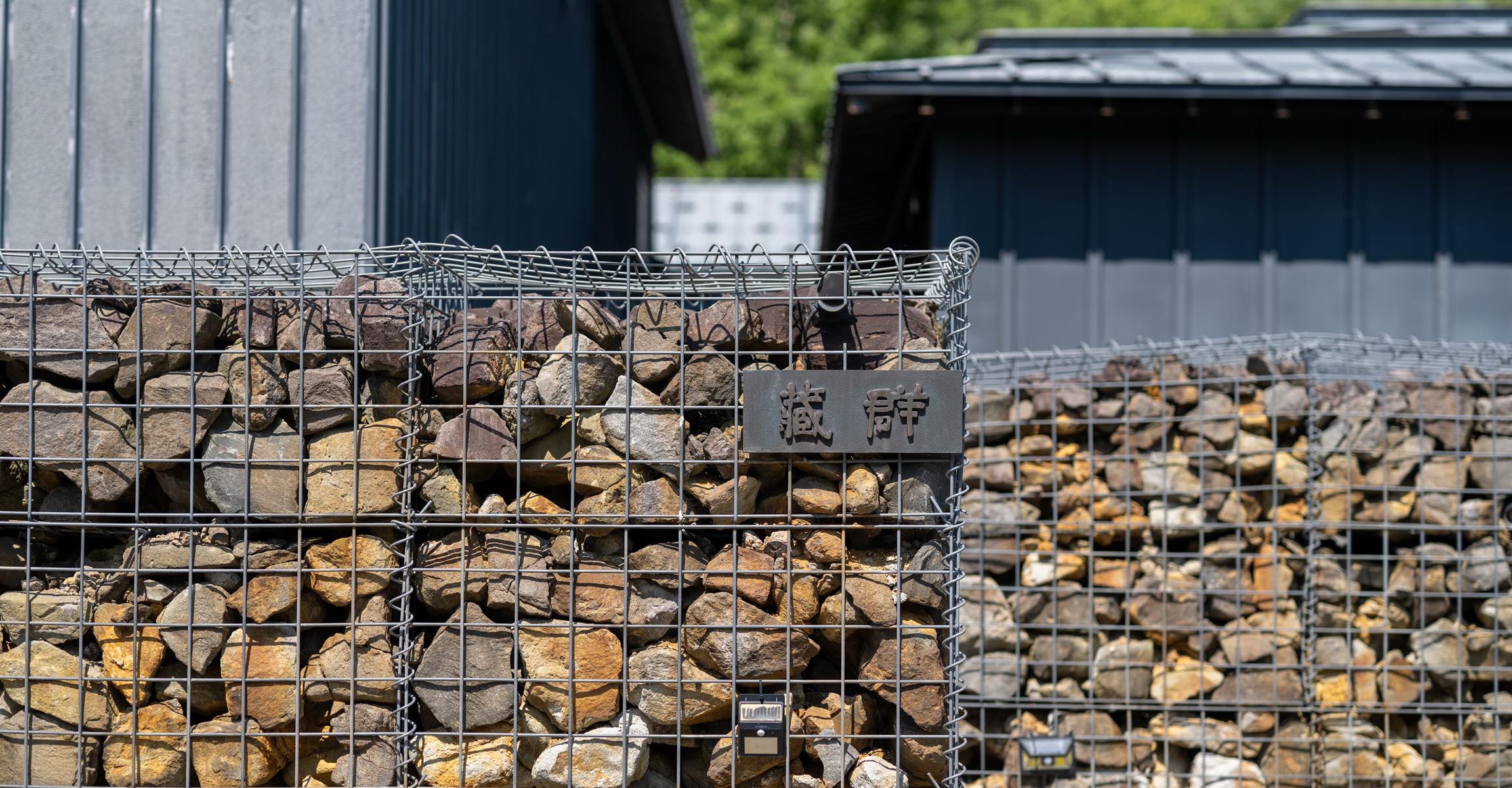
The stone warehouses built to store and manage those goods
still stand in Otaru today, preserving traces of that bygone era.
Inheriting this history and the design philosophy of Hokkaido architect Makoto Nakayama,
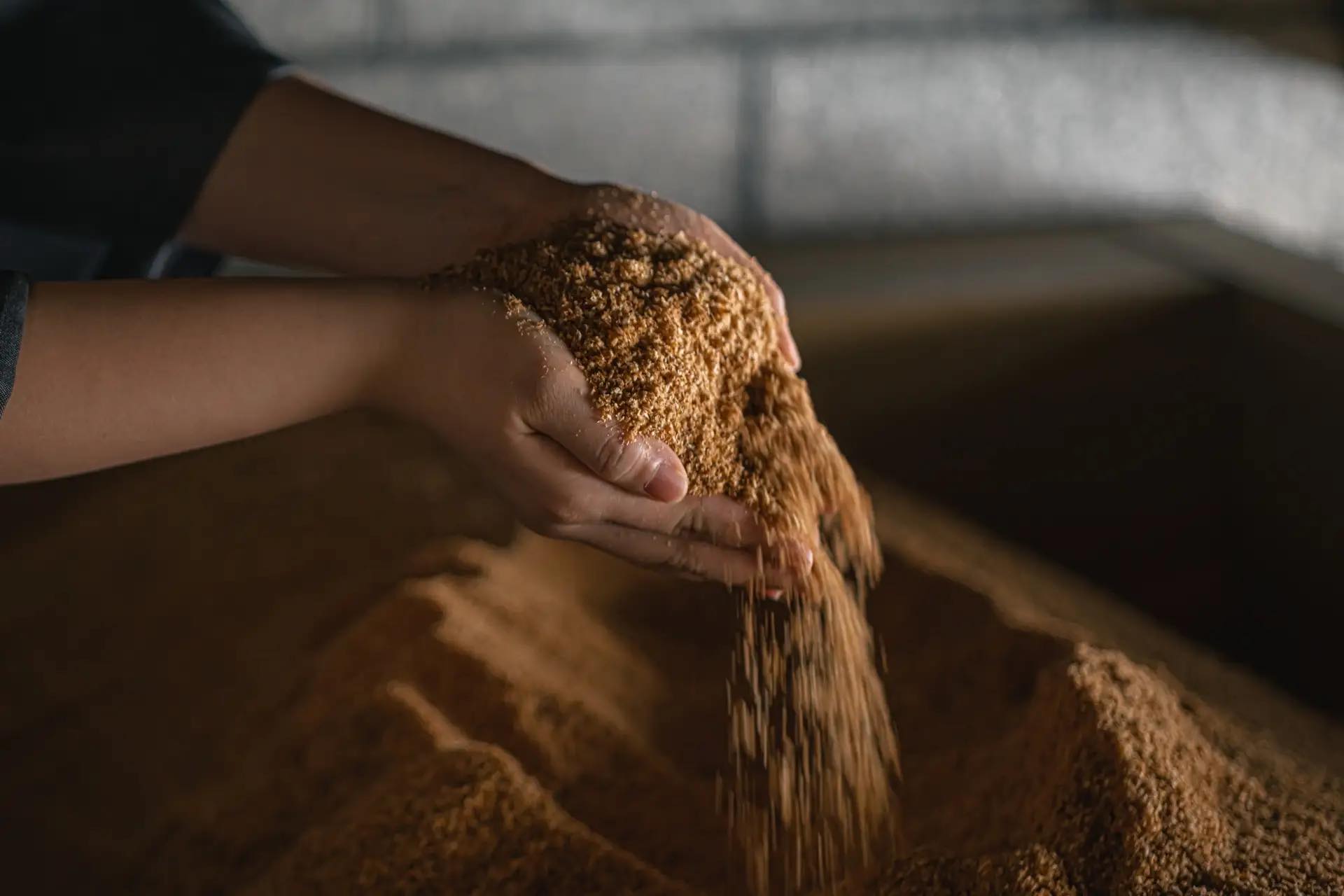
Kuragun places the concept of “Kamosu” (brewing/fermenting)—
the idea of quietly deepening the value of things over time—
at the heart of the
guest experience.
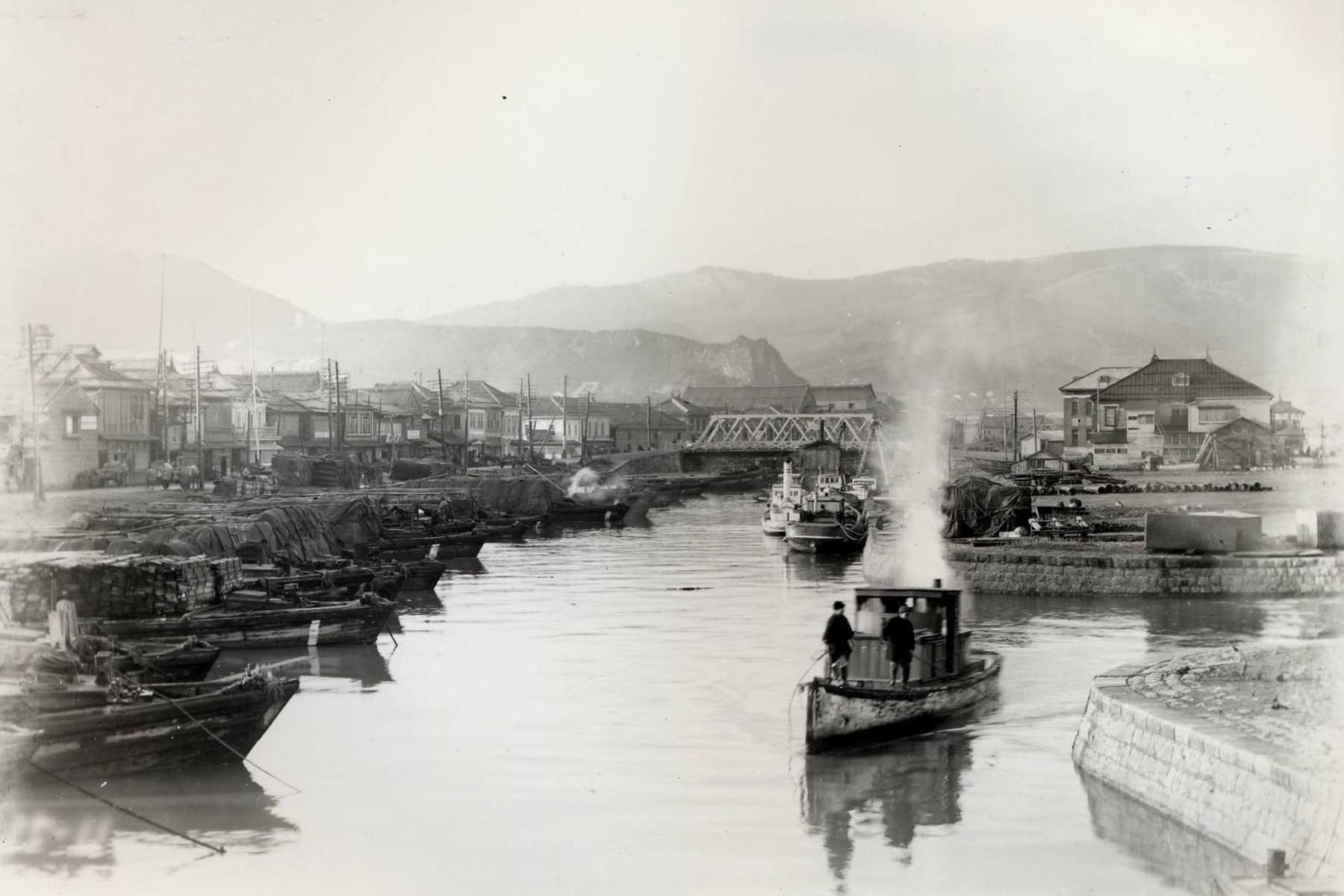

kuramure
Memories of time, held within a tranquil kura storehouse
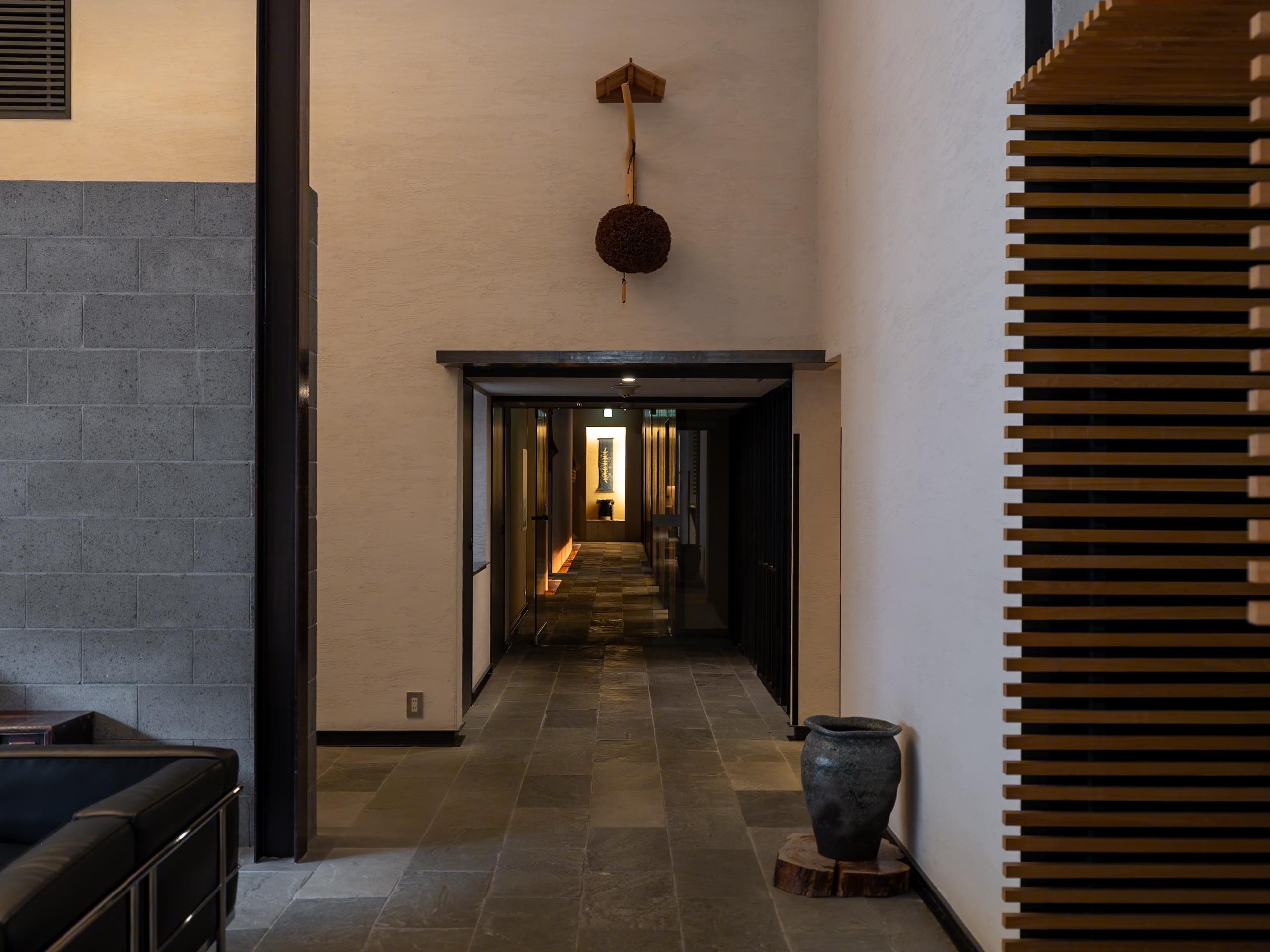
A retreat where you can experience Otaru’s history, passed down through the ages,
through a contemporary sensibility
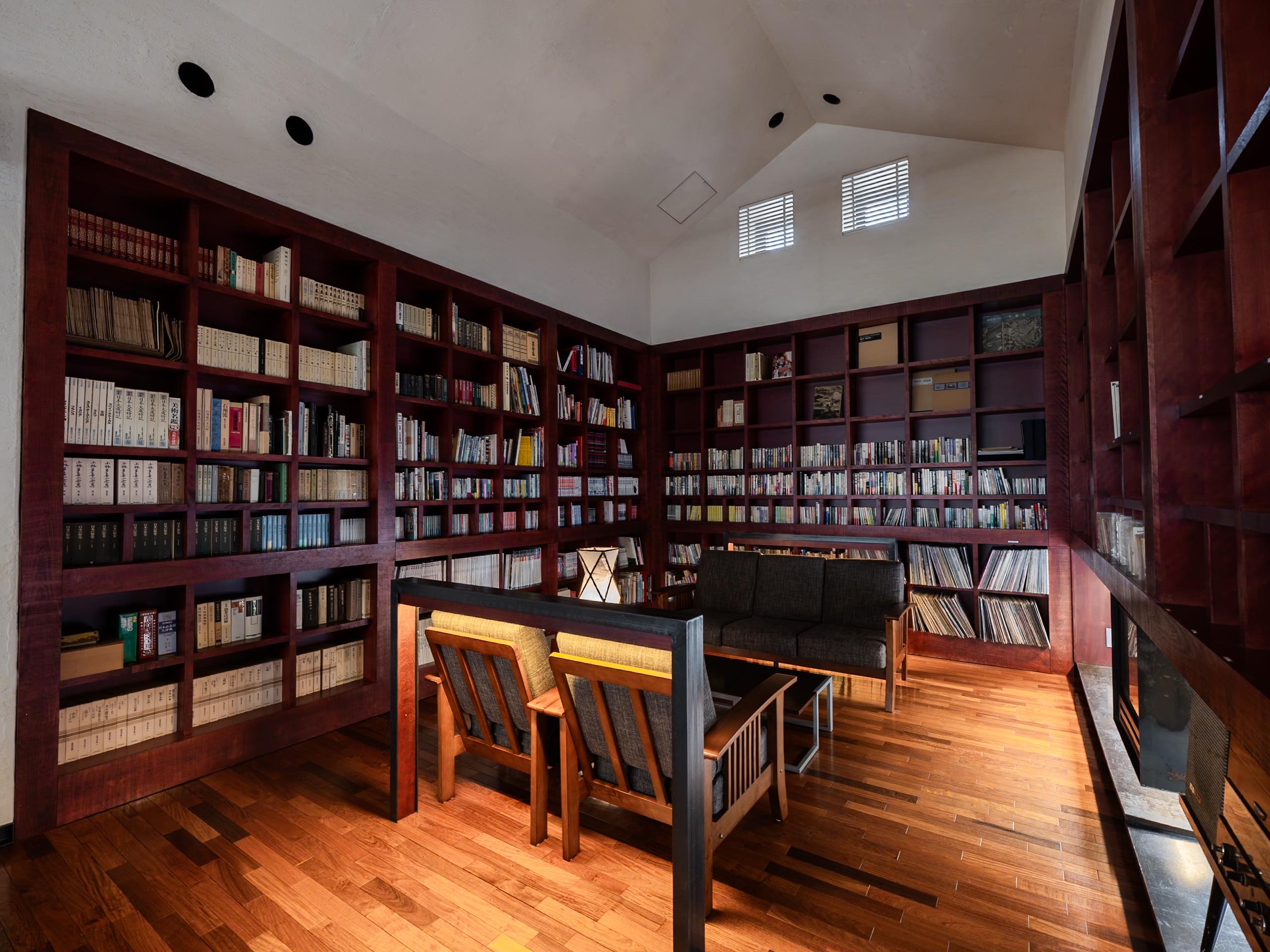
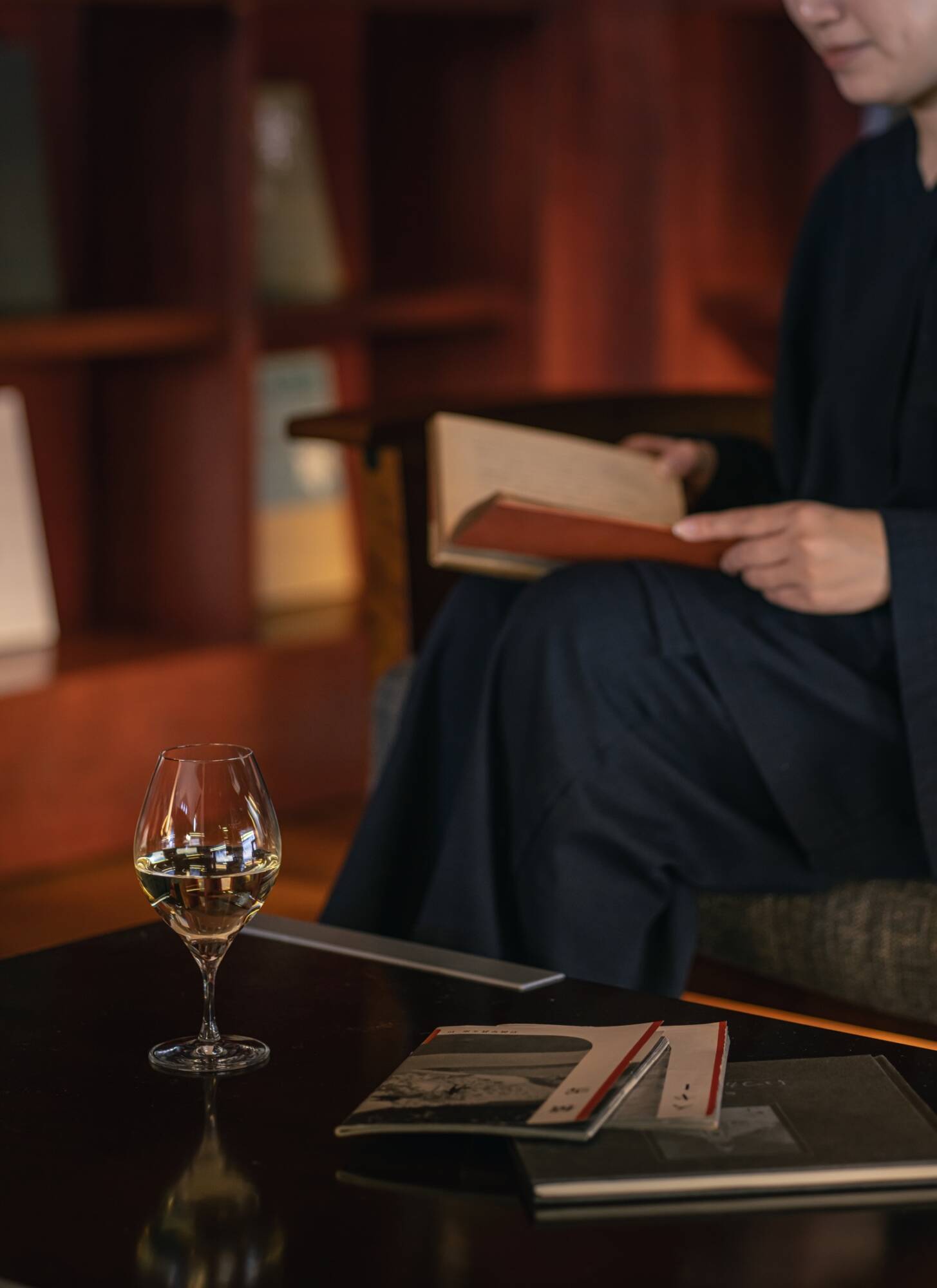
Whispers of the written word
A serene space where the library’s volumes blend seamlessly
A quiet realm of wabi-sabi, entrusted to the flow of your journey
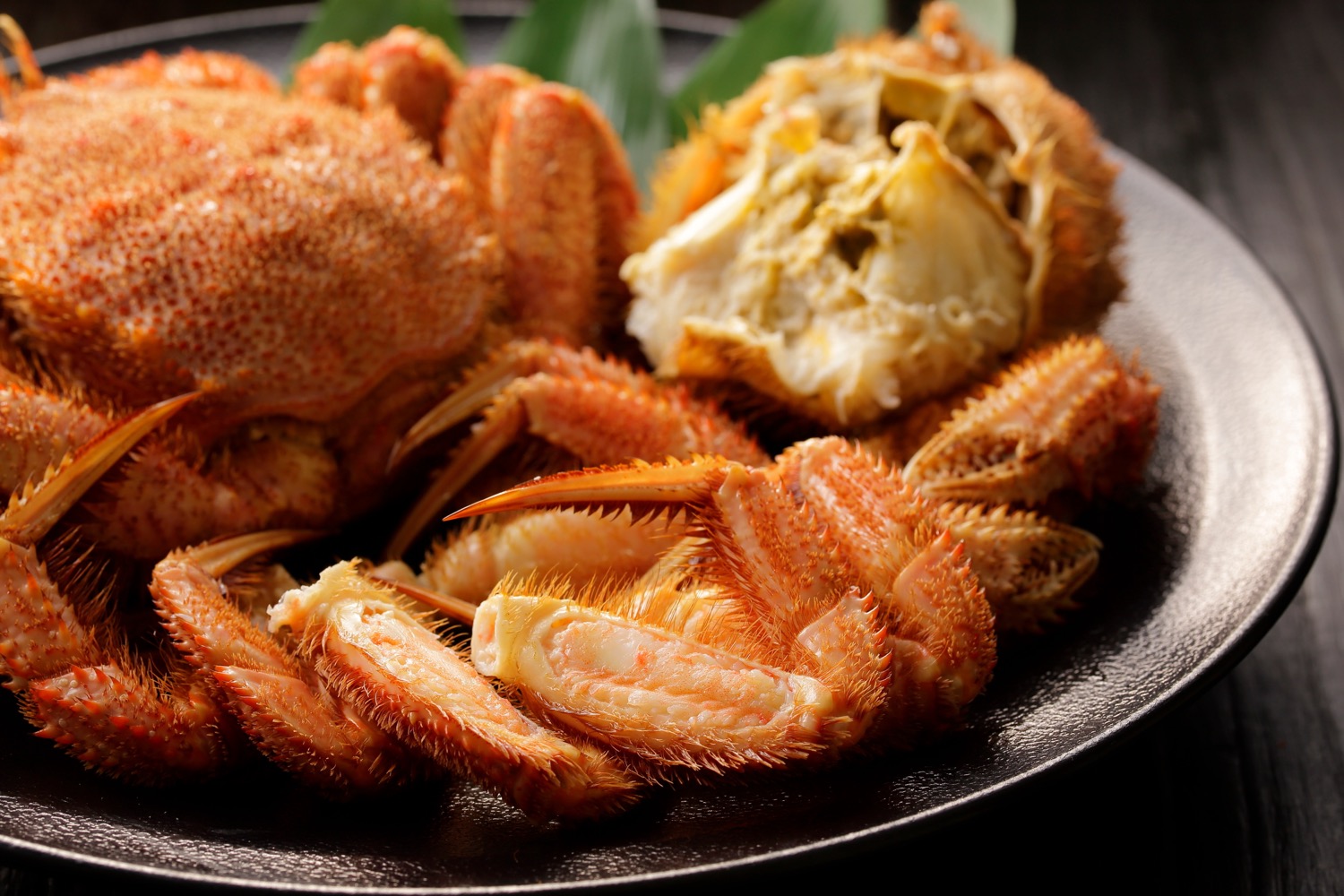
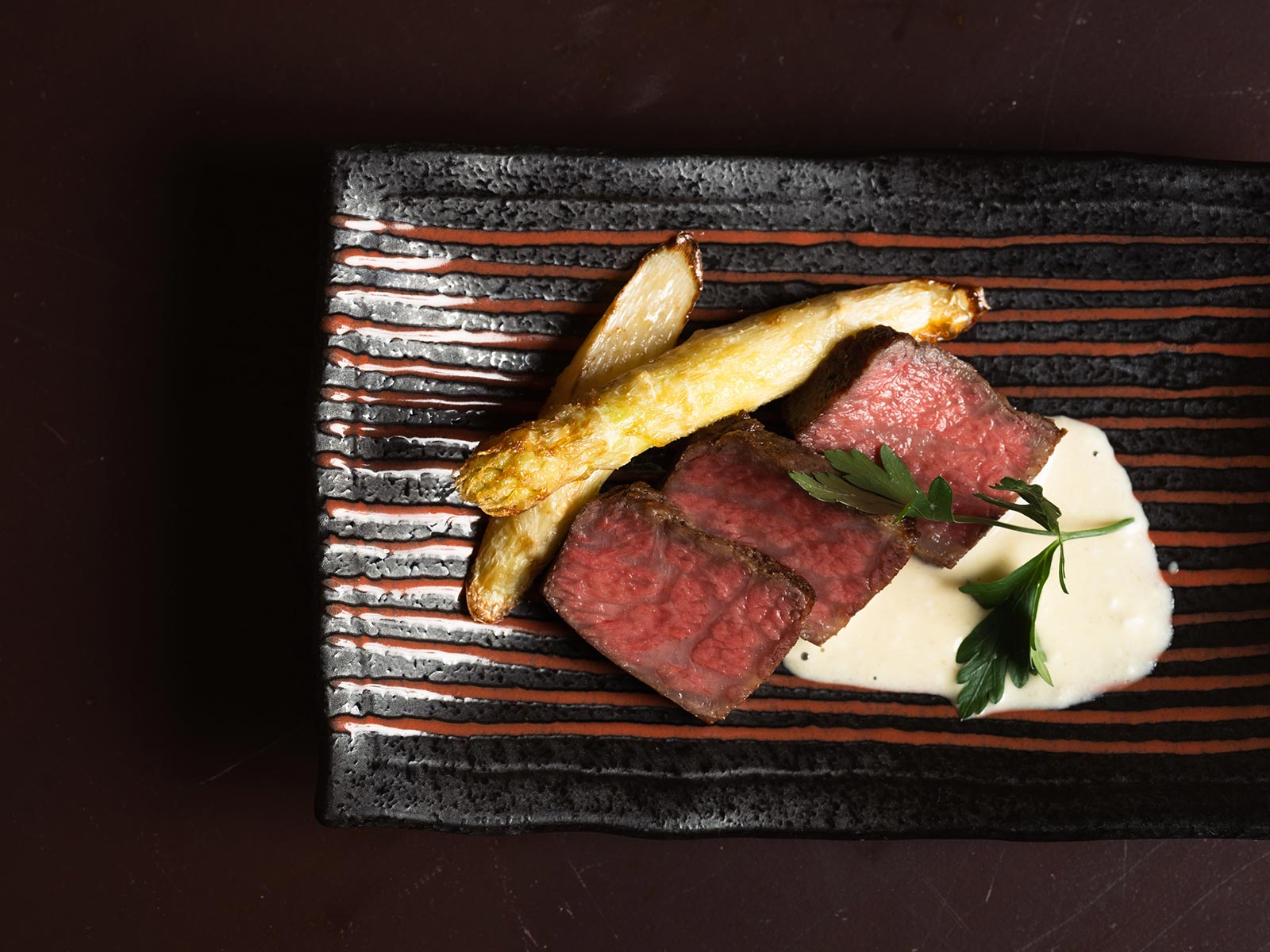
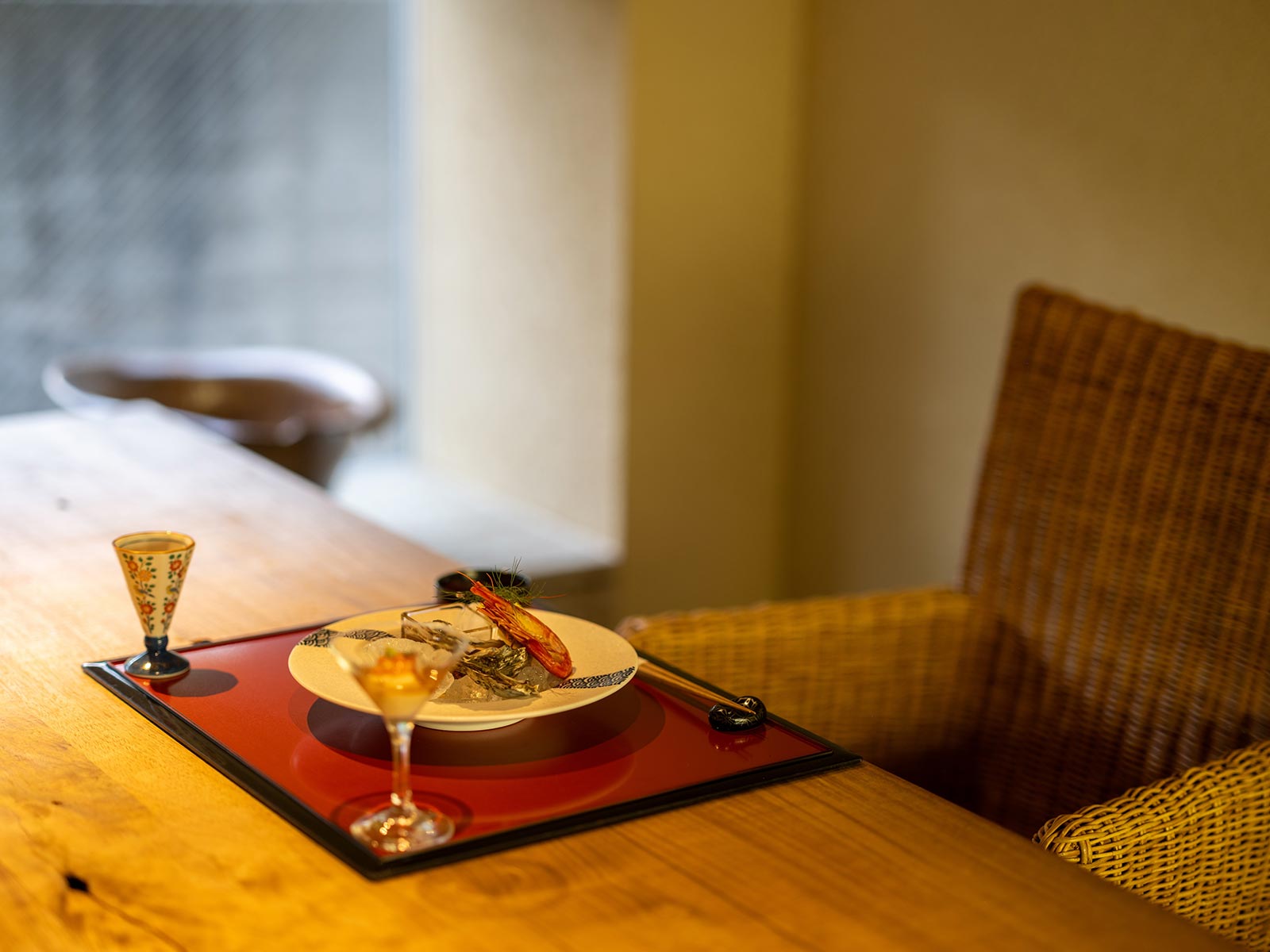
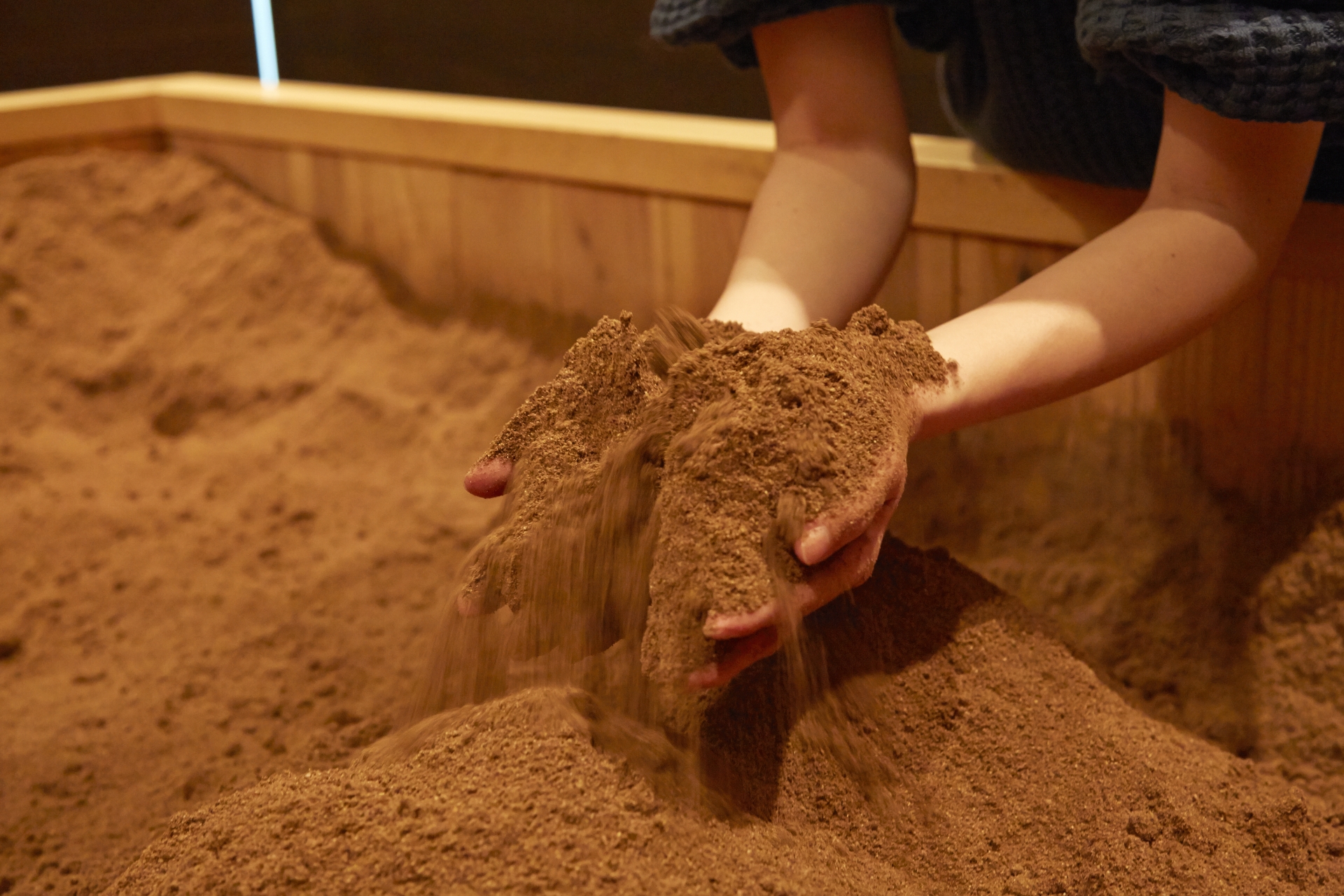
A stay filled with fine dining, hot springs, and an enzyme bath—
undisturbed by anyone
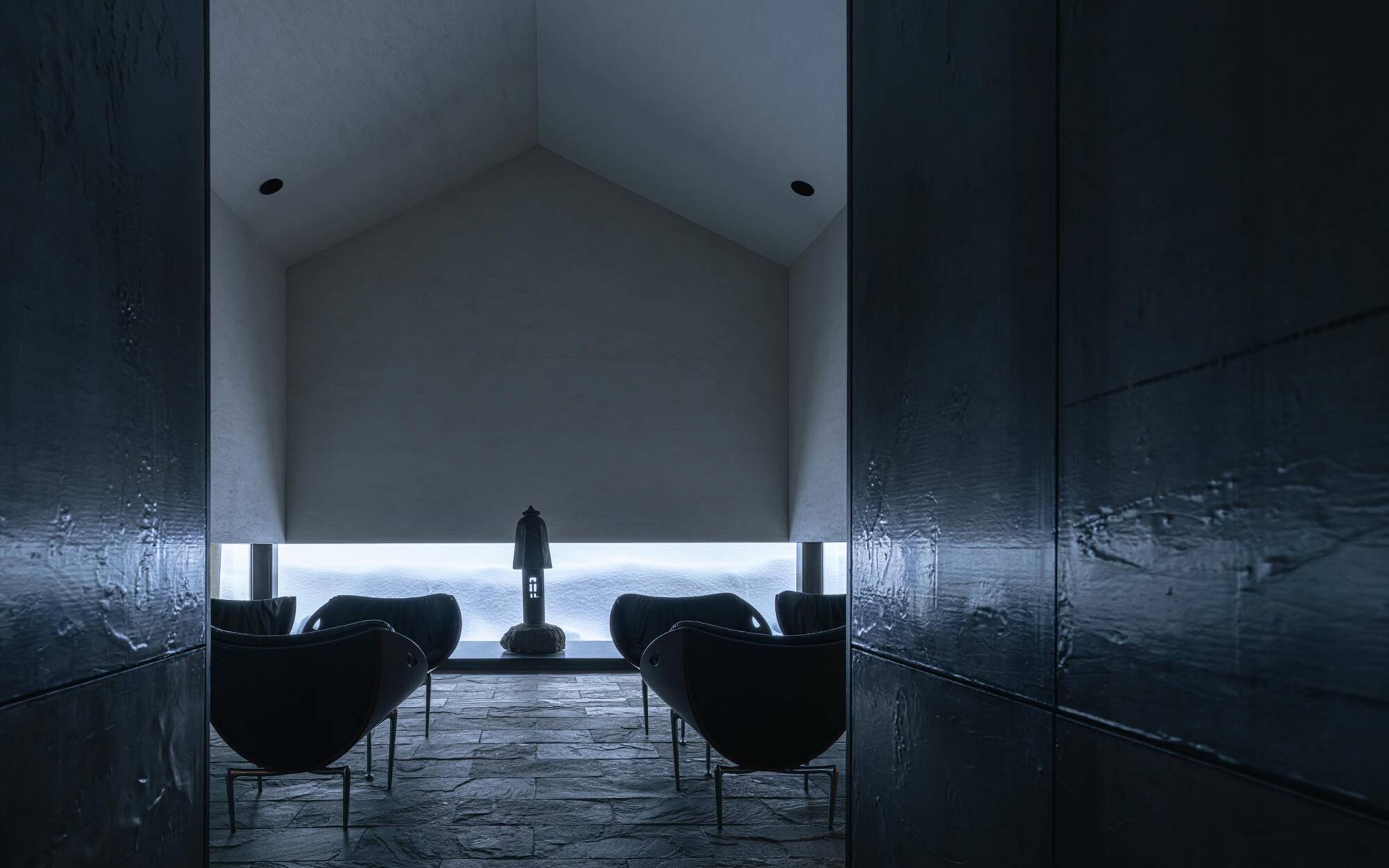
In the inner chamber where the mind grows still
Leave the bustle of everyday life behind,
and find a place where you can be quietly at ease